
A bathroom remodel represents a significant investment, and for many homeowners, the ultimate goal extends beyond personal enjoyment to enhancing property value. Strategic upgrades can transform a functional space into a key selling point, directly influencing buyer perception and resale price. However, not all remodels deliver equal returns. Understanding which improvements resonate with prospective buyers and offer tangible benefits, both aesthetic and practical, is crucial for maximizing your investment.
Prioritizing Core Fixtures for Impact
The primary fixtures in a bathroom—toilet, vanity/sink, and shower/tub—form the backbone of its functionality and aesthetic. Upgrading these elements often yields the most noticeable improvements in both form and function, directly contributing to perceived value.
Toilets: Efficiency and Aesthetics
Replacing an older, inefficient toilet with a modern, low-flow model offers dual benefits. From a practical standpoint, it reduces water consumption, appealing to environmentally conscious buyers and lowering utility costs. Aesthetically, contemporary toilet designs, particularly those with skirted traps for easier cleaning, present a cleaner, more updated look. Opt for standard height and elongated bowls for broader appeal and comfort.
Vanities and Sinks: Form Meets Function
The vanity is often the focal point of a bathroom. A dated vanity can significantly detract from the room's overall appeal. Upgrading to a new vanity with ample storage, soft-close drawers, and a durable countertop material (like quartz or solid surface) adds immediate value. Consider double vanities in larger bathrooms for couples, as this is a highly sought-after feature. Undermount sinks are preferred over drop-in models for their seamless look and ease of cleaning.
Showers and Tubs: Modern Appeal
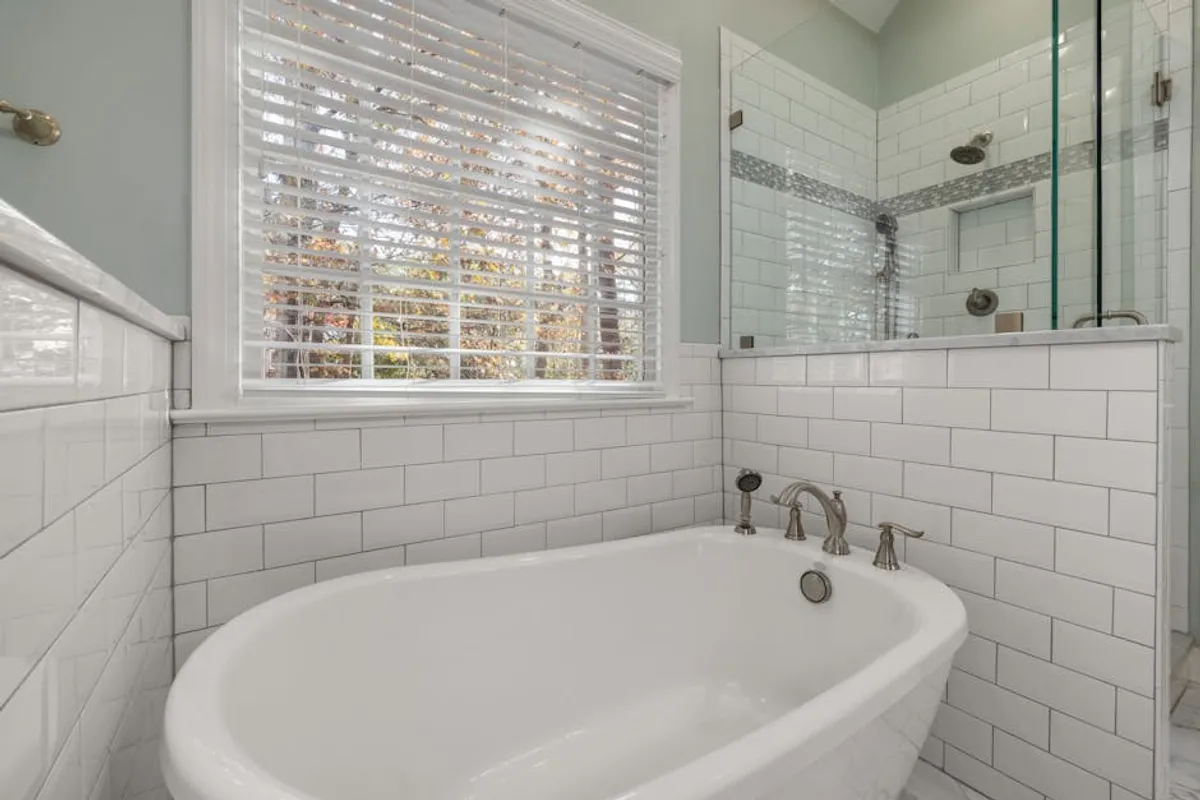
The choice between a shower and a tub depends on the bathroom's size and the target demographic. In a primary bathroom, a spacious, walk-in shower with frameless glass enclosures and quality tilework often offers a higher perceived value than a standard tub/shower combo. Features like dual showerheads, built-in niches for toiletries, and effective ventilation further enhance appeal. If a home has multiple bathrooms, retaining at least one tub is advisable, especially for families with young children. For secondary bathrooms or powder rooms, optimizing shower space or even removing a tub for a larger shower can be beneficial.
Strategic Material Selection
Material choices dictate the bathroom's durability, maintenance requirements, and overall luxuriousness. Selecting materials that are both attractive and long-lasting reinforces the quality of the remodel.
Flooring: Durability and Style
Water-resistant and durable flooring is non-negotiable in a bathroom. Porcelain or ceramic tile remains a top choice due to its resilience, wide range of styles, and ease of cleaning. Large format tiles can make a smaller bathroom appear more expansive, while heated flooring adds a touch of luxury that appeals to high-end buyers. Avoid carpet or laminate flooring, as they are prone to water damage and can harbor mold.
Countertops: Resilience and Elegance
Quartz, granite, and solid surface materials are excellent choices for bathroom countertops. They offer superior durability, resistance to stains and moisture, and a high-end look. Quartz, in particular, is popular for its non-porous nature and consistent appearance. Lighter, neutral colors tend to have the broadest appeal and make the space feel brighter and larger.
Wall Finishes: Tile and Paint
Strategic use of tile can elevate a bathroom's design. Tiling shower surrounds up to the ceiling, adding a tiled accent wall, or using wainscoting can create visual interest and perceived luxury. For painted walls, opt for moisture-resistant paint in neutral, calming colors such as whites, grays, or light blues. These hues create a serene atmosphere and provide a versatile backdrop for future owners.
Optimizing Layout and Space
An efficient and thoughtful layout enhances both the usability and perceived size of a bathroom. Even minor adjustments can make a significant difference.
Maximizing Storage
Clutter detracts from any space. Incorporating smart storage solutions is a direct value add. This includes:
- Recessed medicine cabinets
- Built-in shelving in showers
- Vanities with drawers and cabinets
- Linen closets (if space allows)
- Floating shelves for decorative items
These elements help maintain an organized and spacious feel, a key selling point for buyers.
Lighting and Ventilation
Adequate lighting is essential for both functionality and ambiance. Layered lighting—combining ambient, task, and accent lighting—creates a well-lit and inviting space. Consider dimmable fixtures and sconces flanking the vanity mirror for optimal task lighting. A high-quality exhaust fan is critical for preventing moisture buildup, which can lead to mold and mildew, protecting the long-term integrity of the remodel and the home itself.
Pro Tip: When planning your bathroom remodel, always prioritize functionality and timeless design over fleeting trends. While a unique feature might appeal to you, neutral palettes, durable materials, and efficient layouts have broader appeal and better long-term resale value.
Enhancing Ambiance and Efficiency
Small details often contribute disproportionately to a bathroom's overall appeal and perceived value. These elements refine the space and signal a well-executed remodel.
Fixtures and Hardware
Coordinating finishes for faucets, showerheads, towel bars, and cabinet pulls creates a cohesive and polished look. Popular finishes like brushed nickel, chrome, or matte black offer a contemporary aesthetic without being overly trendy. Ensure all fixtures are in good working order and match the overall style of the bathroom.
Accessibility and Universal Design
Incorporating universal design principles, such as a curbless shower entry, reinforced walls for grab bars (even if not installed immediately), or a comfort-height toilet, can broaden your home's appeal to a wider demographic, including aging populations or those with mobility challenges. These features are increasingly sought after and can future-proof your home.
Strategic Bathroom Upgrades for Resale
A well-executed bathroom remodel is not just an expense; it's an investment that can significantly enhance your home's marketability and value. Focus on quality materials, functional layouts, and timeless design elements that appeal to a broad range of buyers. By prioritizing core fixtures, selecting durable finishes, and optimizing for both aesthetics and efficiency, you can ensure your bathroom upgrade delivers a strong return. For a more comprehensive approach to enhancing your living space, consider consulting a practical home improvement guide.
Frequently Asked Questions
What is the average return on investment (ROI) for a bathroom remodel?
The ROI for a mid-range bathroom remodel typically ranges from 60% to 70%, meaning you can expect to recoup a significant portion of your investment when selling your home. High-end remodels often have a slightly lower ROI.
Which specific upgrades offer the best value for money?
Replacing outdated toilets with low-flow models, upgrading vanities with solid surface or quartz countertops, installing new flooring (especially porcelain or ceramic tile), and modernizing shower enclosures with frameless glass typically offer strong returns.
Should I consider universal design features in my remodel?
Yes, incorporating universal design elements like curbless showers, comfort-height toilets, and lever-style faucets can broaden your home's appeal, especially to an aging population, and may increase its long-term value.
How important is professional installation for a bathroom remodel?
Professional installation is highly recommended for most bathroom remodels. Proper plumbing, electrical work, and tile installation are critical for durability, safety, and a polished finish, all of which contribute to perceived value and avoid costly future repairs.



