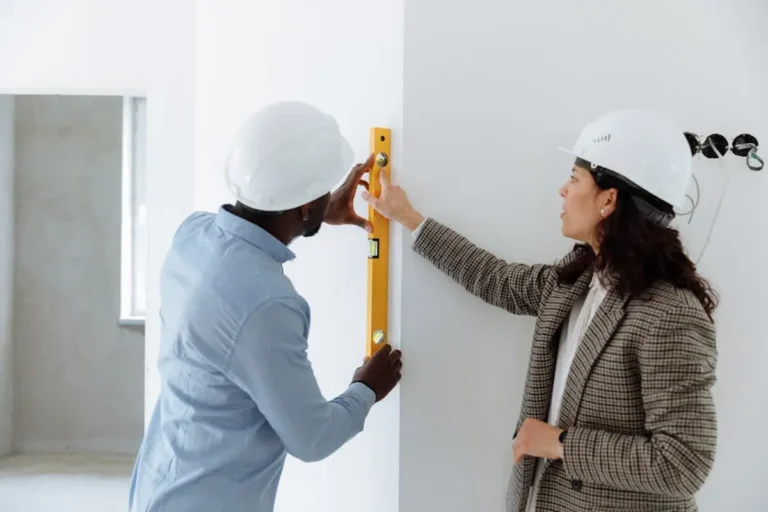

Renovating a small home presents distinct challenges that differ significantly from larger properties. Space constraints demand meticulous planning, innovative design solutions, and a contractor who understands how to maximize every square foot without compromising functionality or aesthetics. The questions you ask during the contractor selection process are not merely formalities; they are critical tools for vetting expertise, anticipating logistical hurdles, and ensuring your project aligns with your vision and budget. This guide provides a curated list of essential questions designed to uncover a contractor's specific aptitude for small-scale projects, helping you secure a partner capable of transforming compact spaces into efficient, comfortable, and appealing homes.
How to Frame Your Contractor Questions for Small Homes
Interviewing contractors for a small home renovation requires a focused approach. Unlike larger projects where minor inefficiencies might be absorbed, every decision in a compact space carries magnified importance. Your questions should probe beyond general competence, aiming to reveal a contractor’s specific understanding of spatial optimization, logistical constraints, and the unique functional demands of smaller living areas. Prioritize inquiries that expose their problem-solving skills for tight footprints, their approach to multi-functional design, and their ability to manage a project with minimal disruption to your existing, limited living space. The goal is to identify a partner who views small spaces not as limitations, but as opportunities for clever design and efficient execution.
1. Experience with Small Spaces and Unique Challenges
This initial line of questioning establishes whether a contractor possesses a proven track record specifically with compact residential properties. General renovation experience does not automatically translate to expertise in optimizing limited square footage, where every design decision and construction detail has a magnified impact. Inquire about past projects involving cottages, townhouses, ADUs, or apartments with similar spatial constraints to your own.
Best for: Identifying contractors who understand the nuances of tight layouts, multi-functional design, and the logistical complexities inherent in small-scale renovations.
Pros: Filters out contractors accustomed only to larger, more forgiving projects; ensures a foundational understanding of small home specific needs; provides examples of how they've previously maximized space.
Cons: May inadvertently exclude highly competent general contractors who simply haven't documented small home projects extensively, requiring deeper inquiry into their approach rather than just portfolio pieces.
Verdict: Essential for validating a contractor’s direct relevance to your project type, beyond general building competence.
2. Design and Space Optimization Strategies
Small homes thrive on intelligent design that maximizes utility and perceived spaciousness. Ask contractors to detail their specific strategies for space optimization. This includes questions about built-in storage solutions, multi-functional furniture integration, vertical space utilization, and techniques to enhance natural light or create open sightlines. A contractor’s ability to articulate these concepts demonstrates a proactive approach to small-scale design.
Best for: Uncovering a contractor’s creative problem-solving skills for spatial constraints and their understanding of design principles applicable to compact living.
Pros: Leads to innovative solutions that improve functionality and aesthetic appeal; ensures the contractor aligns with your vision for efficient living; helps avoid wasted space.
Cons: Some contractors may defer heavily to an architect or designer, making it crucial to understand their role in executing these strategies.
Verdict: Critical for ensuring your small home renovation results in a highly functional and visually appealing space, not just a cosmetic update.
3. Budgeting and Cost Management for Compact Projects
Even small home renovations can incur significant costs, and budget overruns are common. Ask about their specific approach to estimating and managing budgets for projects with limited scope but potentially high material and labor costs per square foot. Inquire how they handle unexpected issues that arise in older, smaller homes, and how they communicate potential cost impacts before proceeding.
Best for: Securing financial transparency and understanding how a contractor safeguards against budget creep in projects where every dollar is critical.
Pros: Provides clear expectations for project costs; helps identify contractors who are adept at value engineering for small spaces; minimizes financial surprises.
Cons: Estimates can still vary widely, requiring careful comparison and detailed breakdowns to avoid hidden costs.
Verdict: Fundamental for financial planning and ensuring the project remains within your fiscal comfort zone, especially where margins are tight.
4. Timeline and Project Management in Limited Footprints
Small homes often mean limited staging areas for materials, restricted access for equipment, and a greater impact on daily living during construction. Inquire about their typical project timelines for similar small-scale work and their specific strategies for managing workflow, material deliveries, and subcontractor schedules within a confined space. Ask how they minimize disruption to your property and neighbors.
Best for: Gauging a contractor’s logistical prowess and their ability to execute efficiently without causing undue inconvenience or delays in a constrained environment.
Pros: Establishes realistic expectations for project duration; demonstrates an understanding of the practical challenges of small site management; promotes a smoother construction process.
Cons: External factors (supply chain, permitting) can still impact timelines, regardless of a contractor's best efforts.
Verdict: Essential for maintaining project momentum and mitigating the personal impact of construction on your limited living space.
5. Permitting and Regulatory Knowledge for Small Structures
Building codes and local regulations can be particularly stringent for smaller properties, especially if they involve additions, structural changes, or conversions (like ADUs). Ask the contractor about their familiarity with local permitting processes relevant to your specific project type and size. Inquire about their track record in navigating inspections and ensuring code compliance for compact homes.
Best for: Ensuring legal compliance and avoiding costly delays or rework due to regulatory oversights specific to small-scale construction.
Pros: Prevents legal issues and fines; streamlines the approval process; indicates a contractor's professionalism and adherence to safety standards.
Cons: Regulations can change, and a contractor's past experience may not fully cover new or updated requirements, necessitating ongoing vigilance.
Verdict: Non-negotiable for any renovation, particularly when structural changes or significant utility modifications are involved in a smaller footprint.
6. Material Selection and Storage Logistics
Material choices in a small home impact not only aesthetics but also durability, maintenance, and spatial perception. Ask about their recommendations for materials that are robust, space-saving, or contribute to an open feel. Crucially, inquire about their plan for material storage and waste removal from your small site, as limited space means traditional staging areas are often unavailable.
Best for: Selecting appropriate, durable materials that enhance a small space, and ensuring a practical, clean job site despite spatial limitations.
Pros: Leads to smart material choices that benefit small homes; outlines a clear strategy for site organization and cleanliness; reduces clutter and potential hazards.
Cons: Specific material availability or cost may lead to compromises, requiring flexibility in selection.
Verdict: Important for both the longevity and aesthetics of your renovation, and critical for maintaining a functional and safe work environment.
7. Subcontractor Management and On-site Coordination
Even small projects often involve multiple trades. Ask how the contractor manages subcontractors, especially when multiple teams need to work within a confined area. Inquire about their scheduling methods to prevent bottlenecks and ensure efficient transitions between trades, minimizing downtime and maximizing productivity on a small site.
Best for: Confirming the contractor's ability to orchestrate a smooth workflow with multiple specialized teams in a limited physical space.
Pros: Ensures efficient progress; reduces scheduling conflicts; promotes clear communication among all parties involved in the project.
Cons: Reliance on subcontractor availability can still introduce delays, regardless of the general contractor's coordination efforts.
Verdict: Essential for a well-organized project that avoids costly delays and ensures a cohesive final product.
8. Communication Protocols and Progress Reporting
Clear and consistent communication is paramount in any renovation, but especially in a small home where changes can have immediate and significant ripple effects. Ask about their preferred communication methods (e.g., weekly meetings, daily updates, specific apps) and how often you can expect progress reports. Inquire about their process for addressing your questions or concerns promptly.
Best for: Establishing transparency and ensuring you remain informed and involved throughout the renovation process, minimizing misunderstandings.
Pros: Fosters trust and reduces anxiety; allows for timely decision-making; helps prevent misinterpretations of project scope or changes.
Cons: Over-communication can become burdensome, while under-communication leads to frustration; finding the right balance is key.
Verdict: Crucial for a harmonious client-contractor relationship and for maintaining control over the project's direction.
9. Warranty and Post-Completion Support
A reputable contractor stands behind their work. Ask about their warranty policy for both labor and materials, including the duration and what specifically is covered. Inquire about their process for addressing any issues that may arise after the project is completed, such as minor adjustments or unexpected failures, demonstrating a commitment to long-term client satisfaction.
Best for: Securing peace of mind regarding the quality and longevity of the renovation, and ensuring support for any post-completion issues.
Pros: Protects your investment; provides recourse for defects or deficiencies; indicates a contractor’s confidence in their craftsmanship.
Cons: Warranty details can sometimes be vague, requiring precise clarification of coverage and exclusions.
Verdict: A non-negotiable aspect of any contract, safeguarding your investment and ensuring accountability for the finished product.
10. References and Portfolio Review (Small Home Specific)
Beyond general references, specifically request contacts for clients whose small home projects are similar in scope or size to yours. When reviewing their portfolio, pay close attention to examples of clever storage solutions, multi-functional spaces, or innovative uses of compact areas. Ask to see detailed photos or even visit completed small home projects, if possible, to assess the quality of their work firsthand.
Best for: Verifying a contractor’s actual performance and client satisfaction on projects directly relevant to your small home renovation.
Pros: Provides tangible evidence of their expertise in small spaces; offers insights into their working relationship with clients; helps visualize potential outcomes.
Cons: References are typically curated, so ask targeted questions to past clients about challenges and resolutions.
Verdict: An indispensable step for due diligence, offering objective insight into a contractor's capabilities and reliability for your specific needs.
11. Problem-Solving Approach to Unexpected Issues
Renovations, especially in older or smaller homes, frequently uncover unforeseen challenges (e.g., structural surprises, outdated wiring, plumbing issues). Ask the contractor to describe their process for identifying, communicating, and resolving unexpected problems. Inquire about their experience with creative, budget-conscious solutions when space or resources are limited.
Best for: Understanding a contractor’s adaptability and resourcefulness, crucial for navigating the inevitable surprises that arise in complex projects.
Pros: Reveals a contractor's ability to think on their feet; helps anticipate how they will manage stress and maintain project momentum when issues occur; ensures transparent communication about solutions.
Cons: Hypothetical scenarios may not fully reflect real-world responses; look for concrete examples from past projects.
Verdict: Essential for minimizing project delays and cost overruns, particularly in small homes where flexibility is key.
12. Insurance, Licensing, and Bonding Verification
This is a foundational requirement for any contractor. Confirm they hold all necessary licenses for your jurisdiction and are properly insured (liability and worker's compensation). Request current certificates of insurance and verify their validity directly with the issuing companies. Bonding, while not always required, offers an additional layer of financial protection against uncompleted work or non-payment of subcontractors.
Best for: Protecting yourself from financial liability and ensuring the contractor operates legally and responsibly.
Pros: Safeguards your assets and prevents potential lawsuits; ensures compliance with local regulations; indicates a professional and accountable business operation.
Cons: Verification takes time; some smaller contractors may only carry minimal insurance, requiring you to assess your own risk tolerance.
Verdict: A mandatory check that protects you from significant financial and legal exposure during and after the renovation.
13. Waste Management and Site Cleanliness
In a small home, debris and construction waste can quickly overwhelm the property and impact your daily life. Ask the contractor about their specific plan for managing and disposing of construction waste, including daily cleanup routines. Inquire about their approach to protecting existing parts of your home from dust and damage, and how they maintain a tidy work area.
Best for: Ensuring a safe, organized, and minimally disruptive renovation process, especially critical when living in the home during construction.
Pros: Reduces health hazards and inconvenience; protects your property from damage; indicates a professional and respectful work ethic.
Cons: Aggressive cleanup schedules may marginally increase labor costs, but the benefits often outweigh this.
Verdict: Highly important for maintaining livability during a renovation and for demonstrating a contractor's respect for your property.
14. Understanding Client Vision and Lifestyle Needs
A truly effective contractor for a small home doesn't just build; they understand how you live. Ask how they ensure they fully grasp your vision for the space, your daily routines, and your specific lifestyle needs (e.g., remote work, hobbies, pet care). Inquire about their process for incorporating your functional requirements into the design and execution, ensuring the renovated space genuinely enhances your life.
Best for: Ensuring the final renovation is perfectly tailored to your personal use and preferences, maximizing the utility and comfort of your small home.
Pros: Leads to a highly personalized and functional outcome; fosters a collaborative relationship; ensures the contractor is designing for people, not just square footage.
Cons: Some contractors may be more focused on structural or aesthetic elements, requiring you to be very explicit about functional needs.
Verdict: Crucial for transforming a mere renovation into a truly optimized and enjoyable living environment.
Evaluating Contractor Responses and Measuring Success
After gathering responses to these questions, your next step is a comprehensive evaluation. Look for consistency in answers, specificity in proposed solutions, and a clear understanding of the unique constraints and opportunities presented by small homes. A contractor who provides vague assurances or dismisses your concerns about space optimization is likely not the right fit. Prioritize contractors who offer concrete examples, detailed logistical plans, and transparent communication protocols.
When measuring success post-renovation, look beyond just aesthetics. Did the project adhere to the agreed-upon budget and timeline? Does the space feel more functional and efficient? Are the materials durable and appropriate for the scale? Has the contractor delivered on their promises regarding space utilization and problem-solving? A successful small home renovation results in a space that not only looks good but genuinely enhances your daily living, proving the contractor’s aptitude for compact design and execution.
Frequently Asked Questions
What is a reasonable budget contingency for a small home renovation?
For small home renovations, a contingency of 10-20% of the total project cost is generally recommended. Older small homes, in particular, often hide unforeseen issues like outdated wiring, plumbing, or structural deficiencies that can quickly consume a smaller contingency. This buffer allows for flexibility without derailing the entire budget.
Can I live in my small home during renovation?
Living in a small home during renovation is often challenging due to limited space for staging, dust, noise, and disrupted utilities. While possible for minor, isolated projects, it's often advisable to secure alternative accommodation for larger renovations involving kitchens, bathrooms, or structural changes. Discuss the feasibility and contractor's plan for minimizing disruption if you plan to stay.
How do I effectively check a contractor's references for small projects?
When checking references, ask specific questions tailored to small projects: How did the contractor manage material delivery and waste in a confined space? Were they creative in optimizing limited square footage? How did they handle unexpected issues unique to older or smaller homes? Did they respect the client's living space during construction? This goes beyond general satisfaction to reveal their specific competence.
What are common pitfalls when renovating small homes?
Common pitfalls include underestimating the impact of construction on daily life, failing to plan for adequate storage, choosing oversized fixtures or furniture that overwhelm the space, neglecting multi-functional design, and not accounting for logistical challenges like material access. Lack of clear communication with a contractor unfamiliar with small-scale nuances can also lead to dissatisfaction.
How long does a small home renovation typically take?
The duration of a small home renovation varies significantly based on scope. Minor cosmetic updates might take a few weeks, while a full kitchen or bathroom remodel in a compact space could extend to 6-10 weeks. Structural changes or additions will take longer, potentially 3-6 months or more, especially considering permitting and inspection times. A detailed timeline from your contractor is crucial.