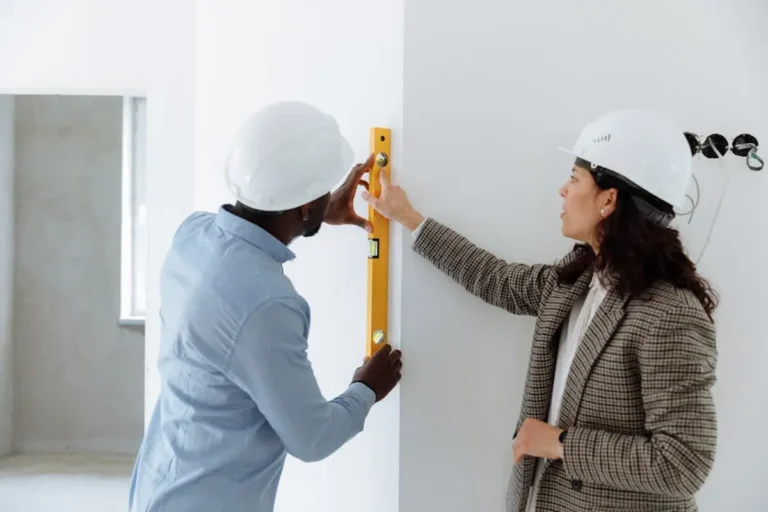

Embarking on a home remodeling project with a tight budget requires careful navigation. The primary goal is to enhance living spaces without overspending, yet many homeowners encounter common pitfalls that inflate costs, compromise quality, or lead to dissatisfaction. Understanding these prevalent errors before starting allows for proactive planning, ensuring financial discipline and a successful outcome. This guide focuses on identifying and preventing the most frequent budget remodeling missteps, providing actionable strategies to keep your project on track and within financial parameters.
Underestimating Project Scope and Costs
One of the most significant budget remodeling mistakes is failing to accurately assess the full scope and associated costs of a project. This often stems from an optimistic view of expenses and an underappreciation of potential complications.
Skipping a Detailed Plan
Proceeding without a comprehensive plan is a direct route to budget overruns. A detailed plan extends beyond aesthetic choices; it encompasses every phase, material, and labor requirement. Without it, unexpected expenses for forgotten items or unforeseen work become inevitable. A thorough plan serves as the project's blueprint, guiding decisions and preventing costly mid-project changes.
- Key elements of a detailed remodeling plan:
- Itemized material lists with quantities
- Labor estimates for each task
- Permit requirements and associated fees
- Timeline for each project phase
- Contingency for unforeseen issues
- Design schematics and layouts
Ignoring Contingency Funds
Even with meticulous planning, remodeling projects frequently uncover hidden issues—outdated wiring, plumbing leaks, structural damage—that were not apparent during initial inspections. Failing to allocate a contingency fund, typically 10-20% of the total project budget, leaves no financial buffer for these inevitable surprises. This often forces homeowners to either halt the project, compromise on materials, or take on additional debt.
Prioritizing Aesthetics Over Functionality
While visual appeal is a driving force behind many remodels, prioritizing purely decorative elements over essential functional upgrades can lead to long-term problems and increased expenses.
Overlooking Infrastructure Upgrades
Focusing solely on new countertops or flooring while neglecting critical infrastructure like electrical systems, plumbing, or insulation is a common oversight. An outdated electrical panel might not support new appliances, or old pipes could fail shortly after new drywall is installed. These infrastructure issues are often more costly to address once cosmetic finishes are in place, leading to disruptive and expensive rework.
Choosing Materials Solely on Price
Opting for the cheapest available materials might seem like a budget-friendly move initially, but it often proves to be a false economy. Low-quality materials may wear out quickly, require frequent maintenance, or need premature replacement, ultimately costing more over the lifespan of the remodel. It's crucial to balance initial cost with durability, longevity, and suitability for the intended use. For example, selecting a durable, mid-range flooring option that withstands heavy traffic is a better long-term investment than a cheaper, less resilient alternative.
DIY Pitfalls and Professional Missteps
The allure of saving money through DIY or hiring the cheapest labor can lead to significant problems if not approached strategically.
Attempting Complex Tasks Without Skills
While minor cosmetic tasks like painting or simple fixture replacement are often suitable for DIY, attempting complex jobs such as electrical wiring, plumbing installations, or structural modifications without proper skills, tools, or permits is risky. Poorly executed work can result in safety hazards, code violations, costly repairs by professionals, and even damage to the home's value. Understanding personal limitations and knowing when to call a professional is a critical budget-saving decision.
Pro Tip: When considering a DIY task, research the required tools, materials, and techniques extensively. Cross-reference online tutorials with official building codes and safety guidelines. If the task involves electrical, plumbing, or structural work, always consult with or hire a licensed professional to avoid dangerous and expensive errors.
Neglecting Proper Contractor Vetting
Hiring a contractor based solely on the lowest bid without thorough vetting is a common and costly mistake. An unqualified or unreliable contractor can lead to shoddy workmanship, project delays, hidden fees, and even abandonment of the job. Proper vetting includes checking licenses, insurance, references, and reviewing past work. A slightly higher bid from a reputable contractor often provides better value, peace of mind, and a higher quality outcome.
Impulse Decisions and Trend Chasing
Budget remodeling requires discipline. Impulse changes and chasing fleeting design trends can derail even the most carefully planned projects.
Deviating from the Original Budget
Mid-project changes, often termed "scope creep," are a major source of budget overruns. Deciding to upgrade materials, add an extra feature, or alter a design element after work has begun almost always incurs additional costs for materials, labor, and potential demolition. Sticking to the initial plan and budget, unless absolutely necessary for structural or safety reasons, is paramount for financial control.
Opting for Fleeting Trends
While incorporating modern elements is appealing, building a remodel entirely around current, ephemeral trends can quickly make a space feel dated. Trendy choices often have a shorter lifespan in terms of aesthetic appeal and may require another remodel sooner than anticipated. Prioritizing classic, timeless designs for major fixed elements (cabinets, flooring, fixtures) and incorporating trends through easily changeable accessories or paint colors offers a more sustainable and budget-friendly approach.
Overlooking Long-Term Value
A budget remodel should still consider the long-term impact on the home's value and operational costs, not just immediate savings.
Sacrificing Durability for Initial Savings
Choosing less durable options to save money upfront can lead to higher maintenance costs and shorter replacement cycles. For example, a cheap roof might save thousands initially but could require repairs or replacement within a decade, whereas a more durable option might last 20-30 years. Evaluate the cost-per-year, not just the upfront price, for significant investments.
Ignoring Energy Efficiency Upgrades
While energy-efficient windows, insulation, or appliances might seem like an added expense, they represent an investment that yields long-term savings on utility bills. Overlooking these upgrades during a remodel means missing an opportune moment to improve the home's energy performance, leading to higher ongoing operational costs. Prioritize upgrades that offer a strong return on investment through reduced energy consumption.
Making Informed Remodeling Decisions
Successful budget remodeling hinges on meticulous planning, realistic expectations, and a disciplined approach. Avoid the temptation to cut corners on critical infrastructure or quality where it matters most for durability and safety. By anticipating common pitfalls and making informed choices, homeowners can achieve a refreshed living space that aligns with their financial goals and provides lasting value.
Frequently Asked Questions
What is a realistic contingency percentage for a remodeling budget?
A realistic contingency fund for a remodeling project typically ranges from 10% to 20% of the total project cost. This percentage accounts for unforeseen issues such as structural problems, hidden damage, or unexpected material price increases.
How can I find a reliable contractor on a budget?
To find a reliable contractor while managing costs, seek multiple bids, check licenses and insurance, review portfolios and references, and ensure a detailed contract. Focus on value and professionalism over the absolute lowest price, as a slightly higher bid from a reputable professional often prevents costly mistakes.
Is it always cheaper to do remodeling tasks myself?
No, it is not always cheaper to do remodeling tasks yourself. While DIY can save on labor costs for simple projects, complex tasks requiring specialized skills, tools, or permits can lead to costly errors, safety hazards, and potentially more expensive professional repairs if done incorrectly.
How do I balance trendy design elements with timeless choices?
To balance trends with timelessness, focus on classic, neutral, and durable choices for major fixed elements like cabinetry, flooring, and large fixtures. Incorporate current trends through easily changeable items such as paint colors, textiles, decorative lighting, and accessories, which can be updated affordably as styles evolve.