
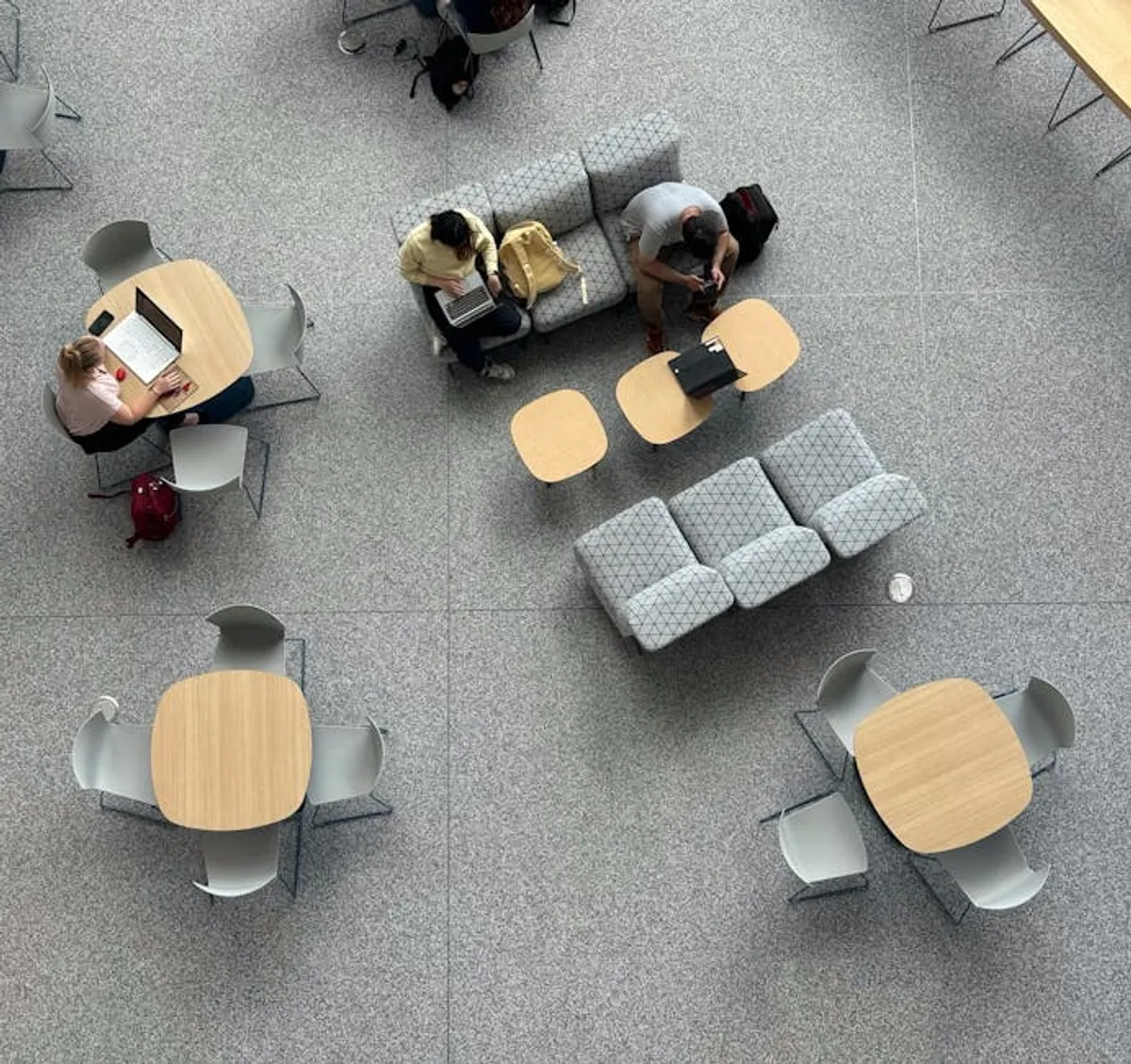
Selecting new flooring represents a significant investment in any space, influencing not just its aesthetic appeal but also its long-term functionality, comfort, and eventual resale value. The decisions made during this process carry substantial implications, as flooring is a semi-permanent fixture that, if chosen incorrectly, can lead to recurring expenses, diminished user experience, and a less attractive property. Understanding the common pitfalls in flooring selection allows stakeholders to make informed choices that align with practical needs, budget constraints, and design objectives, preventing costly rectifications down the line.
Overlooking Subfloor Preparation
A common and critical error in flooring installation involves neglecting the condition of the subfloor. The subfloor serves as the foundation for your chosen flooring material, and any deficiencies here will inevitably manifest in the finished surface, regardless of the quality of the top layer.
Ignoring Moisture Issues
Moisture is a silent destroyer of flooring. Failing to test the moisture content of a concrete slab or wooden subfloor before installation can lead to a host of problems. Excess moisture can cause wood flooring to warp, buckle, or cup, and can lead to mold growth under resilient flooring like vinyl or laminate. For concrete, a high moisture vapor emission rate (MVER) can compromise adhesive bonds, leading to bubbling, peeling, or delamination of glued-down materials. Proper moisture mitigation, such as applying vapor barriers or sealers, is essential for longevity.
Skipping Leveling and Repair
An uneven or damaged subfloor will transfer its imperfections directly to the new flooring. Small dips, humps, or cracks in the subfloor can result in squeaks, hollow spots, and premature wear in the new material. For instance, luxury vinyl plank (LVP) or laminate, while durable, requires a very flat surface; even slight irregularities can cause planks to separate or joints to fail. Addressing these issues through patching compounds, self-leveling underlayments, or subfloor repairs is a non-negotiable step that ensures a stable, flat, and long-lasting installation.
Misjudging Traffic and Durability Needs
The operational demands placed on a floor vary significantly by location within a property. A frequent mistake is selecting a flooring material based solely on appearance without considering the actual foot traffic and potential for wear and tear it will endure.
Underestimating High-Traffic Areas
Areas like entryways, hallways, kitchens, and living rooms experience constant movement, spills, and abrasion. Choosing a softer wood, a carpet with a low pile density, or a thin laminate in these zones will result in rapid deterioration, visible scuffs, and a worn-out appearance within a short period. Materials with higher abrasion resistance, such as porcelain tile, engineered hardwood with a robust wear layer, or commercial-grade LVT/LVP, are better suited for these demanding environments. Consideration of the AC (Abrasion Class) rating for laminates, for example, is crucial for matching durability to traffic levels.
Choosing Aesthetics Over Functionality
While visual appeal is important, prioritizing it at the expense of practical performance leads to dissatisfaction. A beautiful, delicate marble floor might be stunning, but its porosity and susceptibility to etching make it impractical for a busy kitchen. Similarly, a plush, light-colored carpet might look luxurious but will quickly show dirt and stains in a home with pets or young children. Matching the material's inherent properties—such as water resistance, scratch resistance, and ease of cleaning—to the specific use case of the room is paramount.
Disregarding Maintenance Requirements
The long-term cost and effort associated with maintaining a floor are often underestimated. Different flooring materials demand varying levels of care, and selecting a high-maintenance option for a low-maintenance lifestyle is a common oversight.
Selecting High-Maintenance Materials for Busy Lifestyles
Some flooring types, like natural stone or certain hardwoods, require regular sealing, specific cleaning agents, and immediate attention to spills to preserve their condition. Polished concrete, while durable, may require periodic waxing or resealing. For individuals or families with limited time for upkeep, or commercial spaces seeking minimal operational costs, these choices can become burdensome. Opting for materials like ceramic or porcelain tile, vinyl, or certain engineered hardwoods that offer easier cleaning and greater stain resistance can significantly reduce long-term maintenance effort and expense.
Neglecting Long-Term Cleaning Costs
Beyond daily cleaning, some floors necessitate professional maintenance. Carpets require periodic deep cleaning to remove embedded dirt and allergens. Hardwood floors may need refinishing every several years to restore their luster and protect the wood. These services represent additional, often recurring, costs that should be factored into the overall budget. Failing to account for these expenses can lead to deferred maintenance, which in turn shortens the lifespan of the flooring and degrades its appearance.
Poor Budget Allocation
Budgeting for flooring extends beyond the initial purchase price of the material. A common mistake is to focus solely on the per-square-foot cost of the flooring itself, overlooking other essential expenditures.
Focusing Solely on Material Cost
The sticker price of the flooring material is only one component of the total project cost. Underlayment, adhesives, trim pieces, transition strips, and any necessary subfloor preparation materials (e.g., self-leveling compound, moisture barriers) all add to the material budget. High-quality accessories can significantly impact the durability and appearance of the final installation. Skimping on these ancillary items to save a small percentage upfront often leads to compromised performance and a shorter lifespan for the entire floor system.
Forgetting Installation and Ancillary Expenses
Professional installation often constitutes a substantial portion of the total project cost, sometimes equaling or exceeding the material cost, particularly for complex patterns or specialized materials like herringbone hardwood or intricate tile layouts. Demolition and disposal of old flooring, furniture moving, and potential repairs to baseboards or door frames are additional expenses that must be accounted for. Failing to budget for these critical services can lead to unexpected outlays or force a compromise on installation quality, which directly impacts the longevity and aesthetics of the new floor.
Pro Tip: Always conduct a thorough moisture test on concrete subfloors before installing any type of flooring, especially resilient materials or wood. High moisture vapor emission rates can lead to adhesive failure, mold growth, and material degradation, invalidating warranties and causing significant repair costs. Use a calcium chloride test or a relative humidity probe for accurate readings.
Inconsistent Style and Design Integration
Flooring plays a pivotal role in defining the character and flow of a space. Mistakes in style selection can create visual discord and detract from the overall appeal of a property.
Clashing with Existing Decor
Choosing a flooring style that clashes with existing furniture, wall colors, or architectural elements can make a room feel disjointed and uninviting. For instance, a highly modern, minimalist concrete floor may look out of place in a home filled with traditional, ornate furnishings. Conversely, rustic wide-plank hardwood might not complement a sleek, contemporary aesthetic. Considerations should extend to the color temperature of the space, the scale of patterns, and the overall design language to ensure harmony.
Ignoring Future Resale Value
While personal preference is important, selecting highly specific or polarizing flooring choices can negatively impact a property's marketability. Trendy patterns or unusual colors might appeal to a niche buyer but could deter a broader audience. Neutral, timeless selections, such as classic hardwood tones, understated tile patterns, or versatile LVP, generally offer wider appeal and contribute positively to resale value by providing a clean canvas for potential buyers to envision their own style.
Before committing to a flooring choice, consider these critical factors:
- Subfloor Condition: Is it level, dry, and structurally sound? What repairs or preparations are needed?
- Room Function: Is it a high-traffic area, prone to moisture, or subject to spills?
- Durability Requirements: What level of scratch, dent, and water resistance is necessary?
- Maintenance Commitment: How much time and effort are you willing to invest in cleaning and upkeep?
- Total Project Budget: Have you accounted for materials, underlayment, adhesives, installation, removal of old flooring, and potential subfloor repairs?
- Aesthetic Cohesion: Does the chosen material complement the existing decor and architectural style?
- Long-Term Value: How will this choice impact the property's appeal and value over time?
Making Informed Flooring Decisions
Avoiding common flooring mistakes requires a methodical approach that balances aesthetic desires with practical realities. Thoroughly assessing the subfloor, accurately gauging the demands of each space, understanding the long-term maintenance implications, and budgeting comprehensively are foundational steps. Engaging with experienced flooring professionals can provide invaluable insights, ensuring that material selection, preparation, and installation are executed to a high standard. Prioritizing durability, functionality, and cohesive design will yield a flooring solution that performs well, looks excellent, and contributes positively to the property's value for years to come.
Frequently Asked Questions About Flooring Choices
Can I install new flooring directly over existing flooring?
In some cases, yes, but it depends on the existing floor type and its condition. For example, thin vinyl or laminate can sometimes go over well-adhered, level sheet vinyl or linoleum. However, installing new flooring over old often requires ensuring the existing floor is completely flat, clean, and structurally sound to prevent issues like unevenness, squeaks, or adhesive failure. It's generally recommended to remove old flooring for the best results.
What is the most durable flooring option for homes with pets?
For homes with pets, materials that offer high scratch and stain resistance, along with water resistance, are ideal. Luxury Vinyl Plank (LVP) or Luxury Vinyl Tile (LVT) are excellent choices due to their robust wear layers and waterproof properties. Porcelain tile is another highly durable, scratch-resistant, and waterproof option. Engineered hardwood with a very hard wear layer can also work, but solid hardwood is more susceptible to scratches and water damage from pet accidents.
How do I choose a flooring color that won't go out of style quickly?
To ensure longevity in style, opt for neutral colors and classic patterns. Mid-tone wood colors (neither too light nor too dark), warm grays, and natural stone hues tend to have enduring appeal. Avoid overly trendy patterns or very bold, saturated colors that might quickly become dated. Consider how the color will interact with natural and artificial light in the space, as well as its ability to complement various decor styles over time.
Is professional installation always necessary for new flooring?
While some flooring types, like certain click-lock laminates or LVP, are marketed as DIY-friendly, professional installation is often recommended for optimal results, especially for complex materials like hardwood, tile, or intricate patterns. Professionals possess the specialized tools, experience, and knowledge of subfloor preparation, moisture mitigation, and proper installation techniques to ensure a durable, aesthetically pleasing, and warranty-compliant finish. Mistakes in DIY installation can lead to costly repairs or premature flooring failure.



