
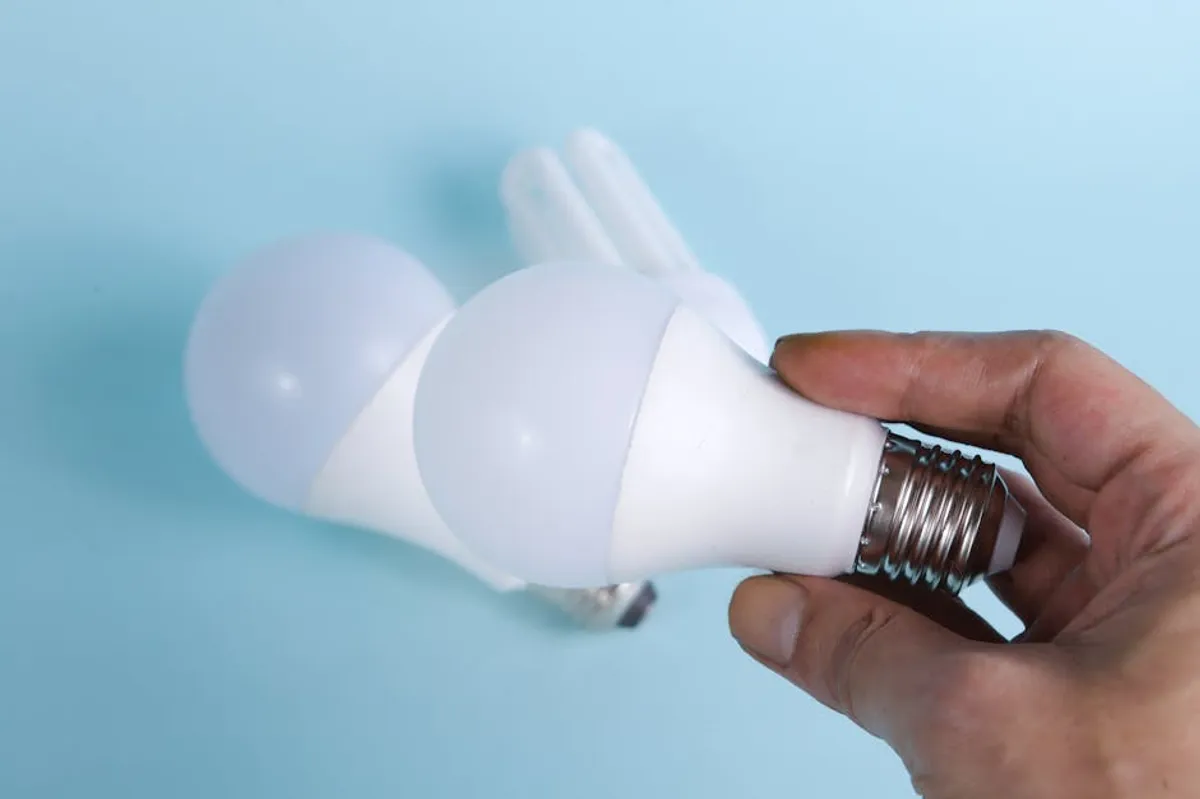
Homeowners often seek ways to reduce monthly expenses and enhance their property's value. Energy-saving home improvements offer a direct path to achieving both, transforming a residence from a utility drain into a more efficient, comfortable, and valuable asset. The decision to invest in these upgrades involves weighing initial costs against long-term operational savings, environmental benefits, and increased resale appeal. Understanding which improvements deliver the most substantial returns requires a clear look at their impact on energy consumption and overall home performance.
Optimizing the Building Envelope: Insulation and Air Sealing
The first line of defense against energy loss is a well-sealed and insulated building envelope. Heat naturally moves from warmer to cooler areas, meaning uninsulated walls, attics, and foundations allow conditioned air to escape in summer and heat to flee in winter. Addressing these vulnerabilities is foundational for any energy-saving strategy.
Attic Insulation Upgrades
Attics are primary culprits for heat transfer due to their direct exposure to outdoor temperatures. Enhancing attic insulation to recommended R-values (often R-38 to R-60, depending on climate zone) can significantly reduce heat gain and loss. Options include blown-in fiberglass, cellulose, or spray foam. Blown-in materials are effective for filling irregular spaces and often provide a higher R-value per inch than traditional batts.
Best for: Homes with older, insufficient attic insulation or those in extreme climates.
Wall and Floor Insulation
Insulating exterior walls and floors, especially over unheated crawl spaces or basements, prevents substantial thermal leakage. Retrofitting existing walls can involve dense-pack cellulose or foam injection, while new construction or major renovations offer opportunities for spray foam or rigid insulation boards. Floor insulation, particularly in colder climates, prevents cold drafts and reduces heating demands from below.
Air Sealing
Beyond insulation, air leaks around windows, doors, electrical outlets, plumbing penetrations, and attic hatches can account for a significant percentage of a home's energy loss. Professional air sealing, often using caulk and weatherstripping, can reduce drafts, improve indoor air quality, and lower heating and cooling loads. A blower door test can precisely identify these leakage points.
Pro Tip: Before adding new insulation, conduct a thorough air sealing audit. Sealing gaps and cracks prevents conditioned air from bypassing insulation, making your insulation investment far more effective. A professional energy auditor can pinpoint hidden leaks that DIY efforts might miss.
Advanced Window and Door Systems
Windows and doors are common weak points in a home's thermal envelope, contributing to both heat loss and gain. Upgrading these components offers aesthetic benefits alongside energy savings.
High-Performance Windows
Replacing single-pane windows with double-pane or triple-pane units featuring low-emissivity (Low-E) coatings and inert gas fills (like argon or krypton) can dramatically improve thermal performance. Low-E coatings reflect radiant heat, keeping interiors cooler in summer and warmer in winter, while gas fills reduce heat transfer through the glass. Look for ENERGY STAR certified windows with low U-factors and Solar Heat Gain Coefficient (SHGC) ratings appropriate for your climate.
Best for: Homes with original single-pane windows or those experiencing significant drafts and temperature fluctuations near windows.
Insulated Exterior Doors
Solid core, insulated exterior doors with tight-fitting frames and effective weatherstripping prevent air infiltration. Fiberglass and steel doors with foam cores offer superior insulation properties compared to traditional wood doors. Ensuring proper installation is critical to maximize their energy-saving potential.
Efficient HVAC Systems
Heating, Ventilation, and Air Conditioning (HVAC) systems are often the largest energy consumers in a home. Upgrading to more efficient models or optimizing existing ones yields substantial savings.
Heat Pumps
Modern heat pumps offer highly efficient heating and cooling by transferring heat rather than generating it. Air-source heat pumps are increasingly popular, even in colder climates, and can replace separate furnaces and air conditioners. Geothermal heat pumps, while more expensive upfront, provide exceptional efficiency by leveraging stable underground temperatures.
- Air-Source Heat Pumps: Efficient in moderate climates, can provide both heating and cooling.
- Geothermal Heat Pumps: Highest efficiency, utilize stable ground temperatures, significant upfront cost but lower operating costs.
- Ductless Mini-Splits: Ideal for additions, zoned heating/cooling, or homes without existing ductwork.
Smart Thermostats
Programmable and smart thermostats allow homeowners to precisely control indoor temperatures, optimizing comfort while minimizing energy waste. Features like remote access, learning capabilities, and occupancy sensors can automatically adjust settings based on daily routines, leading to significant savings without sacrificing comfort.
Water Heating Solutions
Water heating can account for a substantial portion of household energy use. Efficient water heaters reduce this load.
Tankless Water Heaters
Tankless (on-demand) water heaters heat water only when needed, eliminating standby energy losses associated with traditional storage tank models. While they have a higher initial cost, their energy savings and continuous hot water supply make them an attractive option for many households.
Heat Pump Water Heaters
These units extract heat from the surrounding air to heat water, making them significantly more efficient than conventional electric resistance water heaters. They are best suited for basements or utility rooms with sufficient air volume and moderate ambient temperatures.
Renewable Energy Integration
For homeowners looking to significantly reduce their carbon footprint and electricity bills, integrating renewable energy sources is a powerful step.
Solar Photovoltaic (PV) Systems
Installing solar panels on a roof or ground mount generates clean electricity, offsetting grid consumption. The long-term savings, combined with potential tax credits and incentives, can make solar a financially viable investment. System size and design are tailored to household electricity demand and roof characteristics.
Strategic Investment Planning
Evaluating energy-saving home improvements involves more than just the sticker price. Consider the long-term operational savings, potential for increased home value, and available incentives. Start with a home energy audit to identify the most impactful upgrades for your specific property. Prioritize improvements that address the largest energy losses first, as these often provide the quickest payback periods and lay the groundwork for further efficiencies.
Frequently Asked Questions
What is the typical payback period for energy-saving improvements?
Payback periods vary widely by improvement type, climate, and local energy costs. Simple upgrades like air sealing and insulation might have a payback of 2-5 years, while more significant investments like new windows or solar panels could range from 7-15 years, often offset by immediate utility bill reductions.
Are there government incentives or rebates available?
Many federal, state, and local governments, as well as utility companies, offer tax credits, rebates, or low-interest loans for energy-efficient home improvements. Research programs in your area before starting any project to maximize your financial benefits.
Should I prioritize comfort or cost savings?
Often, these go hand-in-hand. Improvements like better insulation and air sealing significantly enhance comfort by eliminating drafts and maintaining more stable indoor temperatures, while simultaneously reducing energy consumption and costs. Prioritizing the building envelope often yields both benefits.
How do I find qualified contractors for these projects?
Seek out contractors with specific experience in energy-efficient installations. Look for certifications (e.g., BPI for energy auditors, NATE for HVAC technicians), check references, and obtain multiple detailed quotes. Ensure they are licensed and insured in your state.



