
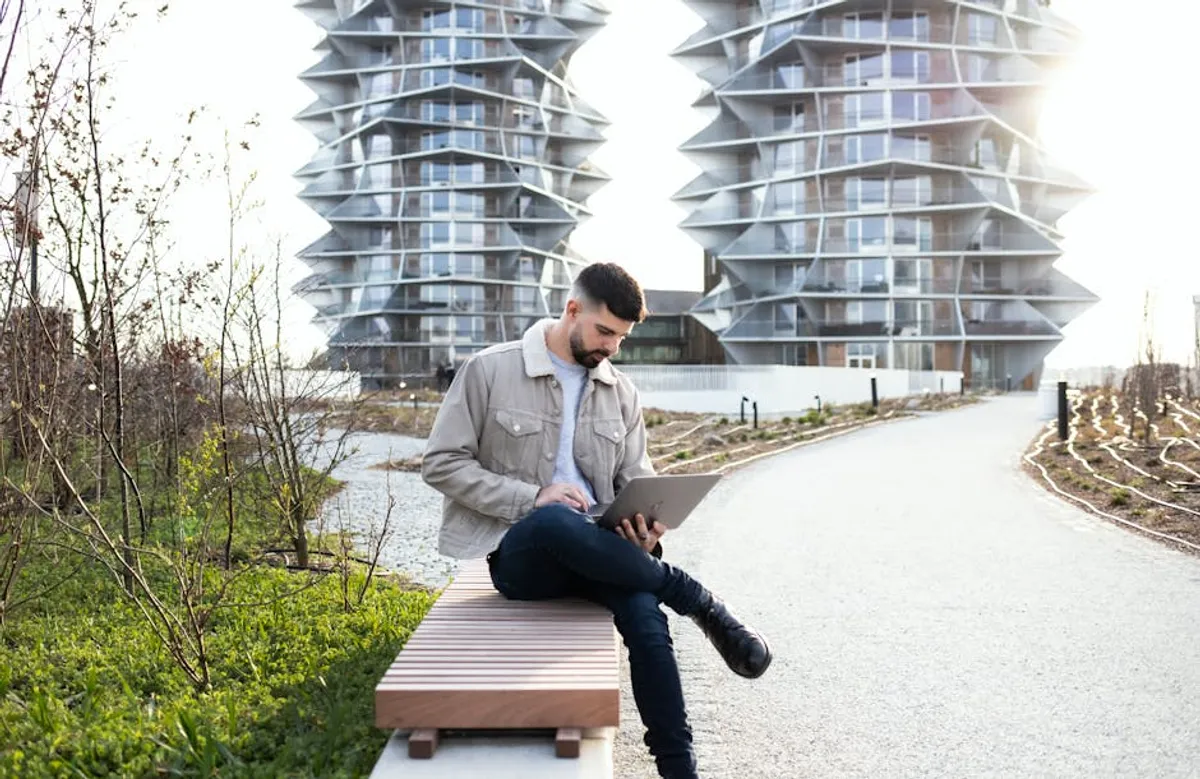
Modern homes extend beyond four walls, integrating outdoor spaces as functional, aesthetic extensions of the interior living environment. This approach moves past traditional landscaping or simple patios, focusing instead on creating cohesive, purpose-driven zones that mirror the home's architectural style and provide seamless transitions. The objective is to enhance livability, increase property value, and offer versatile areas for relaxation, entertainment, and personal enjoyment, all while maintaining a contemporary design language.
Establishing Cohesive Outdoor Zones
Effective modern outdoor design relies on defining distinct areas, each with a specific purpose, yet harmoniously connected. This strategic zoning ensures every square foot contributes to the overall function and aesthetic, preventing cluttered or undefined spaces.
- Integrated Dining Areas: Move beyond a standalone picnic table. Modern outdoor dining incorporates built-in benches, sleek dining tables, and often, a fully equipped outdoor kitchen. Materials like polished concrete countertops, stainless steel appliances, and weather-resistant composite cabinetry maintain a clean, contemporary look. Consider overhead pergolas with adjustable louvers for flexible sun and rain protection, enhancing usability across seasons.
- Sophisticated Lounge Spaces: These areas prioritize comfort and visual appeal. Think low-profile, modular seating arrangements in neutral tones, accented with durable outdoor fabrics. Fire features, such as linear gas fire pits or minimalist concrete fire bowls, serve as focal points, extending the usability of the space into cooler evenings. Privacy can be achieved through slatted wood screens, strategically placed planters with tall grasses, or frosted glass panels, all contributing to the modern aesthetic without feeling enclosed.
- Minimalist Water Features: Instead of ornate fountains, modern designs favor subtle, integrated water elements. Reflecting pools create serene visual interest and a sense of calm. Linear water channels or sheet waterfalls against a textured wall add auditory appeal without dominating the space. These features often employ dark tiles or stone to enhance reflectivity and integrate seamlessly with hardscaping.
- Structured Garden & Landscaping: Modern landscaping emphasizes clean lines, mass plantings, and architectural plants. Drought-tolerant species, succulents, and ornamental grasses are favored for their low maintenance and sculptural forms. Raised garden beds constructed from concrete, corten steel, or reclaimed wood define planting areas, while permeable pavers or gravel paths provide functional circulation and manage stormwater runoff.
Selecting Durable, Modern Materials
The choice of materials dictates both the aesthetic and longevity of an outdoor space. Modern design favors natural, high-performance materials that withstand elements while maintaining a refined appearance.
Concrete: Versatile and durable, concrete can be poured, stained, or stamped to create patios, pathways, and even custom furniture or fire pits. Its inherent simplicity aligns with minimalist design principles, offering a neutral backdrop for other elements.
Wood: For decking, privacy screens, or accents, hardwoods like Ipe or cedar offer natural warmth and resilience. For a lower-maintenance option, composite decking provides the look of wood without the extensive upkeep, available in a range of modern finishes.
Metal: Corten steel, with its distinctive rust patina, is often used for planters, retaining walls, or decorative screens, adding an industrial-chic touch. Powder-coated aluminum or stainless steel are preferred for outdoor furniture frames and railings due to their corrosion resistance and sleek profiles.
Stone: Large-format natural stone pavers (e.g., bluestone, granite) or porcelain tiles create expansive, seamless surfaces for patios and walkways. Their uniform size and subtle variations contribute to a sophisticated, understated elegance.
Pro Tip: When integrating multiple materials, ensure a consistent color palette and texture profile across all zones. This creates visual harmony and prevents the outdoor space from appearing disjointed. Aim for a maximum of three primary materials to maintain a clean, uncluttered aesthetic characteristic of modern design.
Integrating Smart Lighting and Technology
Modern outdoor living is enhanced by thoughtful technological integration, improving both functionality and ambiance.
Lighting Design: Layered lighting is crucial. LED strip lighting under benches or along steps provides subtle illumination and defines edges. Uplighting highlights architectural features or specimen plants, creating dramatic shadows. Pathway lighting ensures safe navigation, often integrated directly into hardscaping. Smart lighting systems allow for scheduling, dimming, and color changes via mobile apps, adapting the mood for different occasions.
Outdoor Entertainment: Weatherproof televisions and integrated sound systems transform outdoor spaces into entertainment hubs. These systems are often discreetly installed, blending into the architecture when not in use. Wi-Fi extenders ensure reliable connectivity for streaming and smart device control across the entire outdoor area.
Climate Control: Beyond traditional patio heaters, modern solutions include integrated misting systems for cooling in hot climates or subtle radiant heaters built into pergolas. Automated awnings or pergolas with adjustable louvers offer on-demand shade and rain protection, controlled with a touch of a button.
Embracing Sustainable Design Principles
Modern outdoor spaces can also be environmentally conscious, incorporating sustainable practices that reduce impact and conserve resources.
Drought-Tolerant Landscaping: Opting for native plants, succulents, and xeriscape principles significantly reduces water consumption. Grouping plants with similar water needs simplifies irrigation and minimizes waste.
Permeable Surfaces: Utilizing permeable pavers, gravel, or decomposed granite for pathways and patios allows rainwater to infiltrate the ground naturally, reducing runoff and replenishing groundwater.
Recycled and Reclaimed Materials: Incorporating reclaimed wood, recycled plastic lumber for decking, or recycled glass in hardscaping elements adds character while minimizing demand for new resources.
Smart Irrigation: Drip irrigation systems and smart controllers that adjust watering based on weather forecasts and soil moisture levels ensure efficient water use, preventing overwatering and waste.
Designing for Longevity and Low Maintenance
A truly modern outdoor space is not only beautiful but also practical and easy to maintain. This requires careful consideration during the design and material selection phases.
Prioritize materials known for their durability and resistance to weathering, such as marine-grade stainless steel, powder-coated aluminum, and high-density composite decking. These materials resist rust, rot, and fading, reducing the need for frequent repairs or replacements. Select outdoor furniture with frames made from these robust materials and cushions covered in solution-dyed acrylic fabrics, which are highly resistant to UV degradation and mildew. Implement efficient drainage systems to prevent standing water, which can damage surfaces and encourage pest growth. Thoughtful plant selection, focusing on low-water, slow-growing, and disease-resistant varieties, minimizes pruning, watering, and pest control efforts. Automated irrigation and lighting systems further reduce manual upkeep, allowing homeowners to enjoy their outdoor space with minimal effort.
Frequently Asked Questions
What defines a "modern" outdoor living space?
A modern outdoor living space is characterized by clean lines, a minimalist aesthetic, functional zoning, seamless integration with the home's architecture, and the use of durable, often natural, materials like concrete, wood, and metal.
How can I make my outdoor space feel like an extension of my home?
Achieve this by using a consistent material palette and color scheme that mirrors your interior, ensuring smooth transitions between indoor and outdoor flooring, and incorporating similar design elements or furniture styles that blur the boundaries.
What are the most important elements to consider for a small modern outdoor area?
For smaller spaces, focus on multi-functional furniture, vertical gardening, strategic lighting to enhance depth, and a limited, cohesive material palette to avoid visual clutter. Built-in seating can maximize usable space efficiently.
Is sustainability a key component of modern outdoor design?
Yes, increasingly so. Modern outdoor design often incorporates sustainable practices like drought-tolerant landscaping, permeable surfaces for water management, energy-efficient lighting, and the use of recycled or locally sourced materials to minimize environmental impact.



