
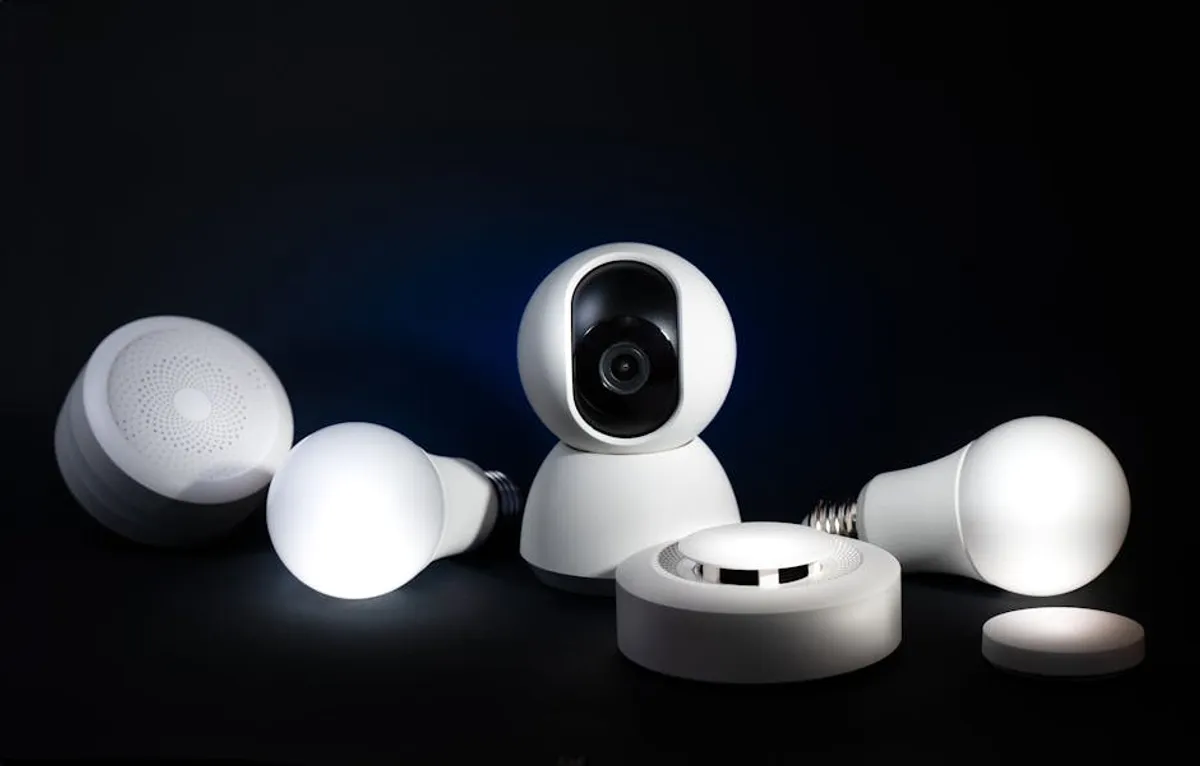
Extending the comfort and convenience of a smart home into outdoor spaces represents a significant opportunity for property owners seeking to enhance usability and perceived value. Integrating smart home devices outside transforms patios, decks, and gardens into more functional and enjoyable extensions of the indoor living environment. This involves selecting devices that not only automate tasks but also withstand environmental factors, ensuring long-term reliability and seamless operation. Understanding the core functionalities and integration requirements of these devices is crucial for making informed decisions that genuinely improve outdoor comfort and utility, moving beyond simple automation to create truly responsive outdoor areas.
Enhancing Outdoor Climate and Ambiance
Managing outdoor climate and ambiance directly impacts comfort. Smart devices in this category offer precise control over temperature, lighting, and even sound, adapting the environment to specific activities or preferences. The goal is to create an outdoor space that is as inviting and controllable as an indoor one.
Smart Outdoor Heating and Cooling Solutions
Outdoor heating and cooling devices, when integrated into a smart home system, provide on-demand climate control. These systems often feature app-based interfaces for remote activation, scheduling, and temperature adjustments. Devices range from overhead radiant heaters to portable propane or electric units, all controllable via a central hub or dedicated application.
- App-Controlled Patio Heaters: These units allow users to turn heaters on or off, adjust heat levels, and set timers from a smartphone. Some models incorporate motion sensors to activate only when the space is occupied, optimizing energy use.
- Smart Outdoor Fans and Misting Systems: For warmer climates, app-controlled outdoor fans can circulate air, while smart misting systems provide evaporative cooling. Integration allows for scheduling based on time of day or even local weather forecasts, ensuring comfort during peak heat.
Intelligent Outdoor Lighting Systems
Smart outdoor lighting extends beyond basic illumination, offering dynamic control over brightness, color, and timing. These systems enhance security, highlight architectural features, and create specific moods for entertaining or relaxation.
Key Features:
- Zoned Control: Divide outdoor areas into distinct lighting zones, each with independent control. This allows for specific lighting scenes, such as bright pathway lighting for arrival and softer accent lighting for dining.
- Color Temperature Adjustment: Select from a spectrum of white light or full RGB colors to match the occasion or time of day. Warm tones can create a cozy atmosphere, while cooler tones might be used for task lighting.
- Scheduling and Automation: Lights can be programmed to turn on at dusk and off at dawn, or to follow custom schedules. Integration with motion sensors allows lights to activate upon detection, serving both convenience and security.
- Weather Resistance: Outdoor lighting fixtures are specifically designed with IP ratings to withstand rain, dust, and temperature fluctuations, ensuring consistent performance.
Integrating Outdoor Entertainment and Utility
Beyond climate control, smart devices bring sophisticated entertainment and practical utility to outdoor living areas, making them more versatile and enjoyable.
Smart Outdoor Audio Systems
High-quality, weather-resistant audio systems transform outdoor spaces into entertainment hubs. These systems typically connect wirelessly to a smart home network, allowing streaming from various sources and control via a central app.
Considerations:
- Weatherproof Speakers: Designed to withstand exposure to elements, these speakers deliver clear sound without degradation. Options include landscape speakers that blend into planting, rock speakers, and wall-mounted units.
- Multi-Zone Audio: Similar to lighting, audio can be zoned, allowing different music or volume levels in various outdoor areas, such as a patio versus a pool deck.
- Streaming Integration: Compatibility with popular music streaming services and voice assistants ensures easy access to content and hands-free control.
Smart Irrigation and Power Management
Automating irrigation and power delivery outside improves efficiency and convenience, reducing manual effort and optimizing resource use.
Pro Tip: When selecting any smart outdoor device, prioritize its Ingress Protection (IP) rating. An IP65 rating signifies protection against dust ingress and low-pressure water jets from any direction, making it suitable for most outdoor applications. For devices directly exposed to heavy rain or splashing, consider IP66 or higher. This rating is a critical indicator of a device's durability and longevity in an outdoor environment.
Smart Irrigation Controllers: These devices connect to existing sprinkler systems, allowing users to manage watering schedules remotely via an app. Advanced models incorporate local weather data, soil moisture sensors, and plant-specific needs to optimize water usage, preventing overwatering or underwatering. This precision can lead to significant water savings and healthier landscaping.
Smart Outdoor Outlets and Plugs: Convert standard outdoor electrical outlets into smart, controllable power sources. These robust, weather-resistant units allow users to remotely turn on/off non-smart devices like decorative lights, fountains, or insect repellent systems. They often include scheduling features and can be integrated into broader smart home automation routines.
Integrating Outdoor Smart Devices for Enhanced Living
Effective integration of outdoor smart devices depends on a cohesive strategy. Consider a unified smart home platform that supports a wide range of protocols (Wi-Fi, Bluetooth, Zigbee, Z-Wave) to ensure compatibility across different manufacturers. Prioritize devices that offer robust connectivity and seamless interaction with existing systems. Planning for power sources, whether wired, battery, or solar, is also essential, especially for devices in remote parts of the yard. A well-planned smart outdoor ecosystem not only adds convenience but also contributes to the overall appeal and functionality of a property, providing a comfortable and responsive environment for relaxation and entertainment.
Frequently Asked Questions
What is the most important factor for outdoor smart devices?
The most critical factor is weather resistance, typically indicated by an IP (Ingress Protection) rating. This rating specifies a device's ability to withstand dust and water exposure, ensuring its durability and functionality in outdoor conditions.
Can outdoor smart devices integrate with my existing indoor smart home system?
Yes, many outdoor smart devices are designed to integrate with popular indoor smart home ecosystems (e.g., Google Home, Amazon Alexa, Apple HomeKit). Check for compatibility with your specific hub or platform to ensure seamless control and automation.
How are outdoor smart devices powered?
Power options vary by device type. Some require direct wiring to an electrical source, while others use rechargeable batteries or integrated solar panels. Smart outdoor outlets can also provide controllable power to non-smart devices.
Are outdoor smart devices difficult to install?
Installation complexity depends on the device. Simple devices like smart outdoor plugs are plug-and-play. More complex systems, such as smart irrigation controllers or wired lighting, may require basic electrical knowledge or professional installation to ensure proper function and safety.



