
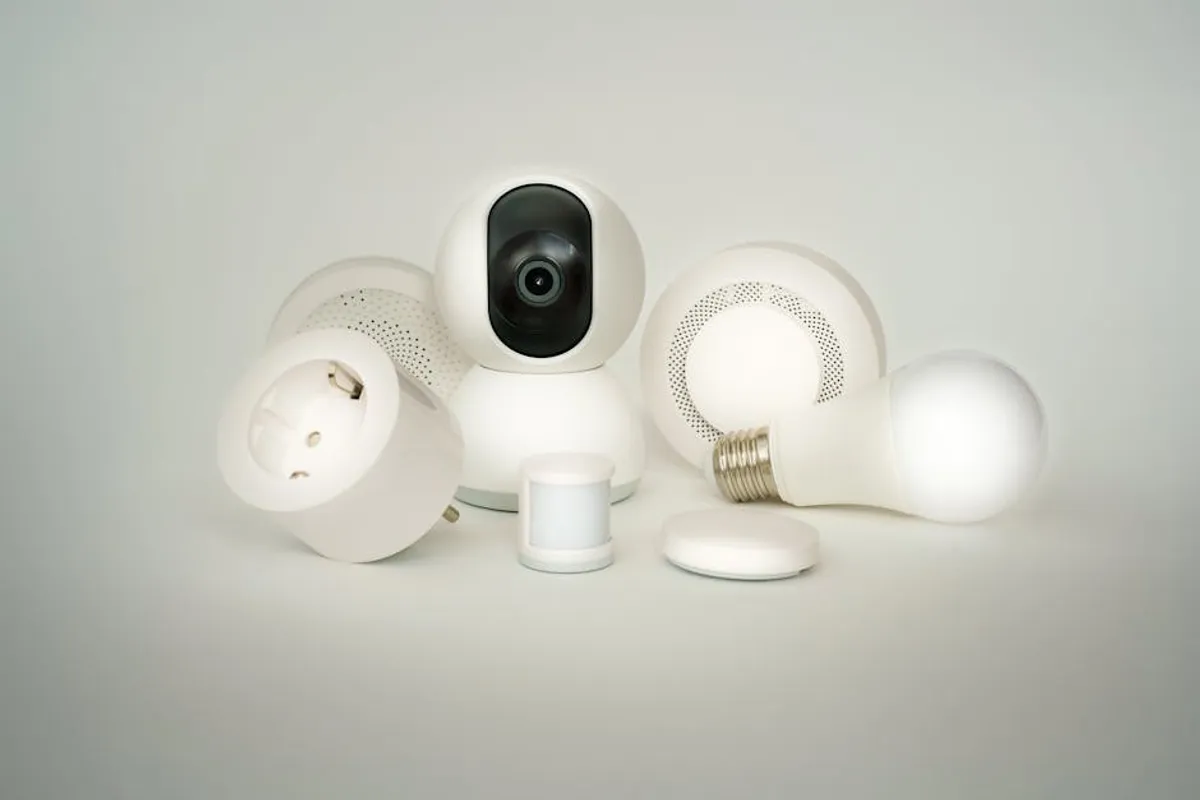
A home remodel presents a singular opportunity to integrate smart technology, transcending mere aesthetic improvements. This isn't about adding gadgets post-construction; it's about embedding intelligence into the very fabric of your home, making future upgrades simpler and more cost-effective. Planning for smart home systems during the design and build phases allows for optimal wiring, device placement, and system integration, which is significantly more complex and expensive to retrofit later. The strategic inclusion of these technologies enhances daily living, improves energy efficiency, bolsters security, and substantially increases a property's long-term market appeal. Integrating smart technology during a remodel is a smart approach to many home improvement projects, enhancing both functionality and future value.
Foundation for Connectivity: Network and Wiring
The bedrock of any effective smart home is a robust and reliable network infrastructure. During a remodel, installing structured wiring for Ethernet, coaxial, and potentially fiber optic cables is crucial. This provides a stable, high-bandwidth backbone that wireless systems alone cannot guarantee, especially as device counts grow. Running conduit to key locations allows for future cable upgrades without opening walls, accommodating evolving technology standards. A centralized network closet or media panel offers a clean, secure location for routers, switches, and smart home hubs, ensuring optimal performance and simplified maintenance.
- Pre-wire for Wi-Fi Access Points: Strategically place Ethernet drops in ceilings or high wall locations for optimal Wi-Fi coverage throughout the home, avoiding dead zones.
- Dedicated Electrical Circuits: Allocate specific circuits for network equipment and critical smart home hubs to ensure uninterrupted power and prevent interference from other appliances.
- Conduit for Future Expansion: Install empty conduits from the central network panel to areas like entertainment centers, home offices, and exterior camera locations. This future-proofs the home for new cabling types or increased data demands.
Integrated Climate Control and Energy Management
Upgrading HVAC systems during a remodel is an ideal time to incorporate smart thermostats and zoning controls. These systems learn occupancy patterns and adjust temperatures automatically, reducing energy waste. Integrating them with new or existing HVAC units ensures seamless operation and maximum efficiency. Beyond thermostats, consider smart ventilation systems that monitor air quality and humidity, automatically activating to maintain a healthier indoor environment. This level of integration is far more efficient and aesthetically pleasing when planned before walls are closed.
Benefit: Smart climate control can reduce heating and cooling costs by 10-15%, making it a tangible return on investment. The ability to monitor and adjust energy consumption remotely also adds significant convenience.
Advanced Security and Access Control
A remodel offers the perfect opportunity to embed comprehensive security measures rather than surface-mounting components. This includes pre-wiring for high-definition security cameras at strategic exterior and interior points, integrating motion sensors directly into door and window frames, and installing smart locks that can be remotely managed. A centralized security panel, often integrated with the home's network, provides a single point of control for all security features. This approach creates a more robust, tamper-resistant system with a cleaner aesthetic.
Pro Tip: When planning smart security, prioritize systems that offer local data storage options in addition to cloud services. This provides redundancy and maintains privacy, especially for camera footage. Ensure the system integrates with a reliable uninterruptible power supply (UPS) for continued operation during power outages.
Intelligent Lighting Systems
Beyond simple smart bulbs, a remodel allows for the installation of integrated smart lighting infrastructure. This can involve low-voltage wiring for LED strip lighting, recessed fixtures with tunable white or color-changing capabilities, and centralized lighting control panels. Pre-wiring for multi-way switches and dimmers that communicate wirelessly or via a central hub enables complex lighting scenes and schedules. This level of control enhances ambiance, improves energy efficiency, and can even contribute to security by simulating occupancy.
Application: Program "wake-up" scenes that gradually brighten lights in the morning or "away" scenes that randomly activate lights to deter intruders. This is far more effective and less noticeable than individual smart bulbs.
Whole-Home Audio and Entertainment
For audiophiles and entertainment enthusiasts, a remodel is the only practical time to install true whole-home audio and integrated entertainment systems. This involves running speaker wire through walls and ceilings to dedicated zones, installing in-wall or in-ceiling speakers, and creating dedicated media closets for amplifiers, receivers, and streaming devices. Pre-wiring for wall-mounted televisions and projectors with power and data ensures a clean, cable-free look. This infrastructure supports high-fidelity sound and seamless content distribution without visible wires or bulky equipment in living spaces.
Consideration: Plan for outdoor audio wiring during exterior remodels or landscaping projects to extend entertainment zones beyond the interior of the home.
Strategic Integration for Long-Term Value
Integrating smart home technology during a remodel is a strategic investment that maximizes both convenience and property value. The key lies in foresight: planning for the infrastructure that supports current and future technologies, ensuring compatibility, and creating a seamless user experience. By embedding these systems into the home's core, you create a living space that is not only modern and efficient but also adaptable to evolving needs and preferences.
Frequently Asked Questions
What smart home upgrades offer the best return on investment during a remodel?
Smart thermostats and integrated energy management systems typically offer the quickest ROI through reduced utility bills. Advanced security systems and robust network infrastructure also add significant long-term value and buyer appeal.
Should I prioritize wired or wireless smart home systems during a remodel?
Prioritize wired infrastructure for critical components like network backbone, security cameras, and high-bandwidth entertainment. Wireless systems are convenient for devices that are difficult to wire or require flexibility, but they benefit immensely from a strong wired network foundation.
How can I ensure my smart home system remains compatible with future technologies?
Focus on open standards and platforms that support a wide range of devices and manufacturers. Install ample conduit for future wiring upgrades and select systems that offer modularity, allowing individual components to be updated without replacing the entire infrastructure.
Is it necessary to hire a smart home integrator for these upgrades?
For comprehensive, whole-home integration involving multiple systems and complex wiring, hiring a professional smart home integrator is highly recommended. Their expertise ensures optimal design, installation, and programming, preventing costly mistakes and ensuring long-term reliability.



