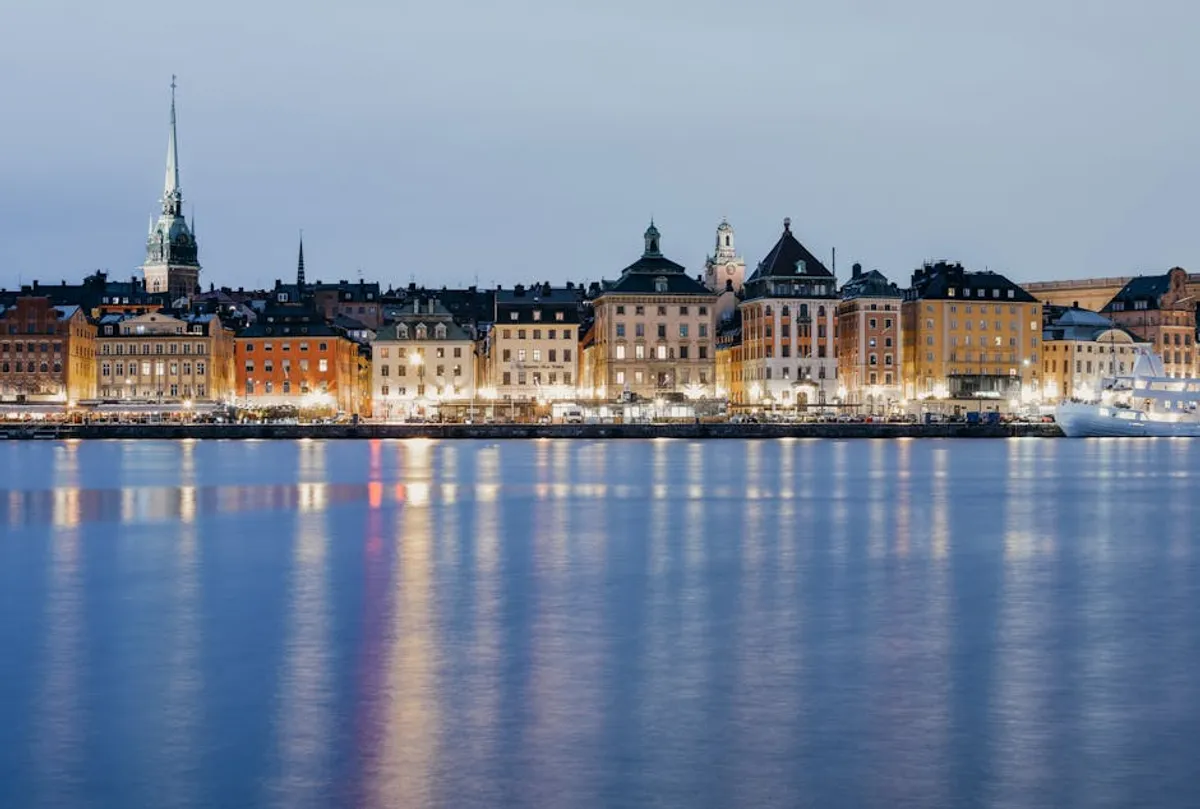
Stockholm’s skyline offers a distinct experience, particularly from its collection of rooftop bars, known locally as takbars. These venues provide elevated perspectives of the city, ranging from historic Gamla Stan to the modern districts and the surrounding archipelago. Selecting the right takbar involves considering several factors beyond just the view, such as the specific ambiance, culinary offerings, pricing structure, and operational logistics. This guide outlines the practical elements to evaluate when planning a visit, ensuring the choice aligns with your expectations for atmosphere, service, and cost.
Choosing a Takbar: Key Considerations
The variety among Stockholm's takbars means that each location presents a unique set of characteristics. Understanding these distinctions before your visit can significantly enhance the experience.
Location and Panoramic Views
The primary draw of any takbar is its vantage point. Locations vary across the city, each offering a different visual narrative.
- Södermalm: Takbars in this southern district often provide sweeping, unobstructed views over the city center, Riddarfjärden bay, and sometimes even the distant archipelago. These locations are frequently sought after for sunset views.
- Norrmalm: Central takbars in Norrmalm typically offer a closer perspective of urban architecture, bustling streets, and landmark buildings. The views here are generally more dynamic and embedded within the city's pulse.
- Gamla Stan and Östermalm: Rooftop venues in these areas can offer views that combine historic rooftops with glimpses of waterways and green spaces, providing a blend of old and new Stockholm.
Consider the specific visual you aim for: a sprawling cityscape, a tranquil water view, or an intimate urban panorama.
Atmosphere and Ambiance
Takbars are not uniform in their atmosphere; they cater to different social preferences. Some are designed for a relaxed, conversational evening, while others cultivate a more energetic, party-like environment.
Examples of ambiance types:
- Sophisticated & Chic: These venues often feature minimalist design, curated cocktail menus, and a clientele seeking a refined experience. Music tends to be lounge-style or subtle.
- Lively & Social: Characterized by more upbeat music, a bustling crowd, and often a focus on communal tables or open spaces. These are suitable for groups looking for a vibrant evening.
- Relaxed & Casual: Some takbars prioritize comfort and an unpretentious setting, often with simpler drink menus and a more laid-back vibe. These might be ideal for an afternoon drink.
Reviewing venue descriptions or recent visitor comments can provide insight into the prevalent atmosphere.
Culinary Offerings and Beverage Selection
Beyond the view, the food and drink menu is a central component of the takbar experience. Most takbars specialize in cocktails, often featuring seasonal ingredients and unique concoctions. Wine lists typically include a selection of international and sometimes organic options. Beer selections range from local craft brews to international lagers.
Food offerings can vary significantly:
- Snacks and Small Plates: Common for venues focused primarily on drinks, offering charcuterie, olives, or light bites.
- Casual Dining: Some takbars integrate a more substantial food menu, including burgers, salads, or Nordic-inspired dishes.
- Fine Dining: A smaller number of takbars are extensions of high-end restaurants, offering full-service dining with sophisticated menus.
It is advisable to check the menu in advance if food is a priority, as options and service styles differ widely.
Practical Tips for Visiting Takbars
A successful takbar visit in Stockholm often depends on practical planning, especially concerning timing and logistics.
Optimal Visiting Times
To maximize the experience, consider the time of day and week:
- Sunset: This is universally the most popular time, offering dramatic light and photographic opportunities. Expect larger crowds and potentially longer wait times.
- Early Evenings (Weekdays): For a more relaxed atmosphere and easier access, visiting right after work hours on a weekday can provide a calmer experience without sacrificing the view.
- Afternoons: Some takbars open in the afternoon, offering a bright, airy setting for lunch or an early drink. This is often less crowded.
Weekends, particularly Friday and Saturday evenings, typically see the highest foot traffic.
Dress Code and Entry Policies
While many Stockholm establishments maintain a relaxed approach, some takbars, particularly those with a more upscale ambiance, may have a smart casual or slightly more formal dress code. It is prudent to check the venue’s website or social media for specific guidelines. Age restrictions are also common, with many venues enforcing an 18-year or 20-year age limit, especially during evening hours.
Pro Tip: Stockholm weather can be unpredictable, even in summer. Many takbars offer blankets or have sheltered areas, but dressing in layers is advisable. Always check the local forecast before heading out, as some venues may close outdoor sections or entirely due to inclement weather without prior notice.
Understanding Takbar Prices and Value
Prices at Stockholm’s takbars generally reflect their premium location, unique views, and often high-quality beverage programs. Expect costs to be higher than at ground-level bars or restaurants.
Typical Price Ranges
- Cocktails: A standard cocktail typically ranges from 150 SEK to 250 SEK, with signature or premium options potentially exceeding this.
- Beer: A local draft beer (e.g., 50cl) usually costs between 80 SEK and 120 SEK. Craft beers or imported selections might be higher.
- Wine: A glass of house wine generally starts around 100 SEK to 140 SEK, with premium selections increasing the cost.
- Food: Small plates or appetizers can range from 80 SEK to 200 SEK. Full meals, if offered, will align with restaurant pricing, from 250 SEK upwards.
The perceived value often stems from the combination of the view, atmosphere, and service quality rather than just the individual item cost.
Things to Know Before You Go
Being informed about seasonal operations, booking requirements, and overall popularity can prevent disappointment.
Seasonal Operation and Availability
Many of Stockholm's takbars operate seasonally, typically from late spring (May) through early autumn (September). A smaller number are open year-round, often featuring enclosed or heated sections for colder months. Always confirm the current operating schedule, as it can be subject to change based on weather or special events.
Booking and Popularity
For popular takbars, especially during peak season or on weekends, reservations are highly recommended, if not essential. Some venues operate on a first-come, first-served basis for walk-ins, which can lead to significant queues. Arriving early is a common strategy to secure a spot without a booking. For larger groups, booking well in advance is almost always necessary to guarantee entry and seating.
Navigating Your Takbar Experience
To ensure a smooth and enjoyable visit to a Stockholm takbar, prioritize confirming operational details, understanding the cost implications, and aligning your choice with the desired ambiance. Researching specific venue policies on dress code and reservations will help manage expectations and prevent any last-minute inconveniences. By considering these practical aspects, you can effectively plan for an elevated city experience.
Frequently Asked Questions
Are Stockholm takbars open all year?
Many takbars operate seasonally, typically from May to September. A few offer year-round access with heated or enclosed sections, so always check specific venue schedules.
What is the typical price for a cocktail at a Stockholm takbar?
Expect to pay between 150 SEK and 250 SEK for a cocktail, with prices varying based on the venue's exclusivity and the drink's ingredients.
Do I need to make a reservation to visit a takbar?
For popular takbars, especially during peak season or on weekends, reservations are strongly recommended to ensure entry and avoid queues. Some venues accommodate walk-ins on a first-come basis.
What kind of views can I expect from a Stockholm takbar?
Views vary by location, ranging from panoramic cityscapes and historic rooftops to water views of Riddarfjärden bay and the surrounding archipelago. Each district offers a distinct visual perspective.