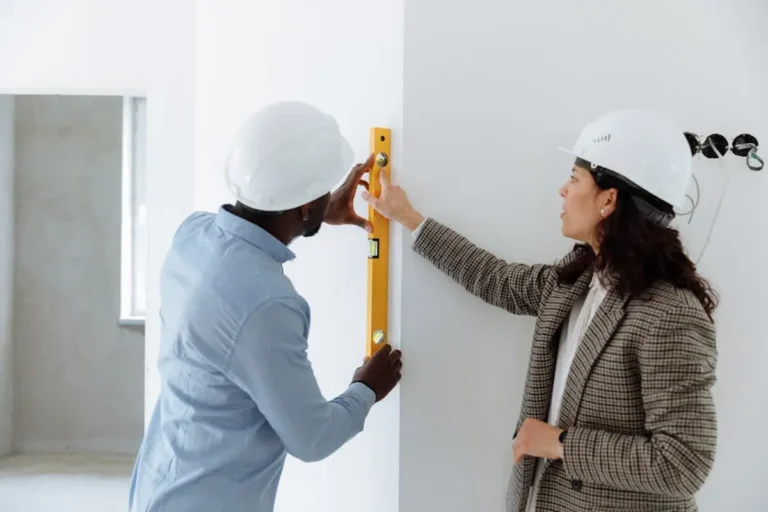

Hiring a contractor for home improvements, whether a minor repair or a major renovation, represents a significant financial and emotional investment. The process often feels daunting, with homeowners navigating unfamiliar terminology, varying bids, and the critical decision of entrusting their property to a stranger. This guide provides a structured approach to interviewing potential contractors, focusing on specific questions designed to elicit clear information, establish expectations, and help homeowners make informed choices that protect their interests and ensure project success.
Initial Vetting and Credentials
Before discussing project specifics, it is essential to verify a contractor's legitimacy, experience, and professional standing. These questions establish a foundational level of trust and competence.
Are you licensed and insured for work in this area?
Reasoning: A valid license confirms the contractor meets state or local regulatory standards. Insurance (liability and workers' compensation) protects you from financial responsibility if accidents occur on your property or workers are injured. Request proof of both, and verify with the issuing authorities directly. Unlicensed or uninsured contractors pose significant personal and financial risks.
How long have you been in business, and what is your experience with projects similar to mine?
Reasoning: Longevity in business often indicates stability and a track record. Specific experience with your type of project (e.g., kitchen remodels, roof replacement, foundation repair) suggests they understand the unique challenges and requirements. Ask for details about past projects, not just a general affirmation.
Can you provide a list of references from recent clients?
Reasoning: Client references offer direct insight into a contractor's reliability, communication, quality of work, and adherence to budgets and timelines. Contact at least three references and ask specific questions about their experience, including any challenges encountered and how they were resolved. Prioritize references for projects completed within the last year.
Do you use subcontractors, and if so, how do you vet them?
Reasoning: Many contractors use subcontractors for specialized tasks (plumbing, electrical, HVAC). Understanding their approach ensures quality control and accountability. Inquire about their vetting process, whether subcontractors are also licensed and insured, and who supervises their work. The general contractor should ultimately be responsible for all work performed on your property.
Project Scope and Planning
Once initial vetting is complete, delve into how the contractor approaches the project itself. These questions clarify their understanding of your vision and their proposed methodology.
How do you typically manage project communication and updates?
Reasoning: Clear and consistent communication is paramount for a smooth project. Understand their preferred methods (phone, email, text) and frequency of updates. Ask who your primary point of contact will be and what their availability looks like. Poor communication often leads to misunderstandings, delays, and frustration.
What is your process for handling unexpected issues or changes during the project?
Reasoning: Renovations rarely proceed without unforeseen challenges. A good contractor will have a transparent process for addressing these, including how they communicate issues, propose solutions, and manage potential cost or timeline impacts. Avoid contractors who dismiss the possibility of changes or lack a clear plan.
Will you obtain all necessary permits for the project?
Reasoning: Most significant home improvements require permits to ensure work meets local building codes and safety standards. The contractor should be responsible for pulling all permits. This protects you from fines, ensures proper inspections, and can prevent issues when selling your home. Request copies of all permits.
What materials do you typically use, and can we discuss alternatives?
Reasoning: Material choices impact aesthetics, durability, and cost. A contractor should be able to explain their standard material selections and be open to discussing alternatives that align with your preferences and budget. This conversation helps ensure alignment on quality and design expectations.
Financials and Payment
Financial transparency is non-negotiable. These questions clarify costs, payment schedules, and what is included in the bid.
Please provide a detailed, written estimate that breaks down all costs.
Reasoning: A comprehensive estimate should itemize labor, materials, permits, and any other associated fees. Vague or lump-sum bids make it difficult to compare proposals or understand where your money is going. Insist on a written document that clearly outlines everything included and excluded.
What is your payment schedule, and what are the terms?
Reasoning: Reputable contractors typically require an initial deposit, but the majority of payment should be tied to project milestones. Avoid contractors who demand a large upfront payment (e.g., more than 10-30% of the total project cost) or ask for full payment before work begins or is completed. Understand what constitutes a "milestone" for payment release.
Pro Tip: Never pay the final invoice until you have thoroughly inspected the work, confirmed it meets contract specifications, and received all necessary lien waivers from the contractor and any subcontractors or suppliers. Lien waivers protect you from future claims against your property if the contractor fails to pay their own bills.
What is your policy on change orders, and how are they handled?
Reasoning: Changes to the project scope are common. A clear change order process ensures any modifications to the original plan are documented, agreed upon in writing, and include updated costs and timelines before work proceeds. This prevents disputes and unexpected charges.
What warranties or guarantees do you offer on your work and materials?
Reasoning: Understand the duration and scope of warranties on both labor and materials. A reputable contractor will stand behind their work. Clarify what is covered, what voids the warranty, and how to initiate a claim if issues arise after project completion.
Timeline and Communication
Understanding the project timeline and how communication will flow is crucial for managing expectations and minimizing disruption.
What is your estimated start date and projected completion date?
Reasoning: A clear timeline helps you plan and understand the project's duration. While unforeseen delays can occur, a contractor should provide a realistic estimate. Ask about factors that could impact the schedule and how those would be communicated.
What are your typical working hours, and how will you manage site cleanliness and disruption?
Reasoning: Knowing working hours helps manage daily household routines. Discuss how the contractor plans to keep the work area tidy, protect unaffected parts of your home, and minimize noise or dust, especially if you will be occupying the home during renovations.
Who will be supervising the project on-site daily?
Reasoning: Identify the person responsible for day-to-day oversight and who you can approach with immediate concerns or questions during working hours. This ensures clear lines of communication and accountability on the job site.
Making Your Decision
After gathering information from multiple contractors, compare their responses, proposals, and references carefully. Look beyond just the bottom-line price. Consider the clarity of their communication, their experience, the thoroughness of their bid, and your overall comfort level. Trust your instincts, but always back them up with due diligence and a comprehensive written contract. A well-chosen contractor is a partner in transforming your home vision into reality.
Frequently Asked Questions
How many contractor bids should I get?
It is generally recommended to obtain at least three detailed bids for any significant project. This allows you to compare pricing, approaches, and personalities, ensuring you get a competitive offer and a contractor who aligns with your expectations.
Should I provide materials myself to save money?
While it might seem like a cost-saving measure, providing your own materials can complicate the project. Contractors often get materials at a discount, and if issues arise (e.g., defects, incorrect quantities), the contractor may not be responsible for delays or additional costs. Discuss this with your contractor before making assumptions.
What if a contractor is much cheaper than others?
A significantly lower bid can be a red flag. It might indicate that the contractor has overlooked key aspects of the project, plans to use substandard materials, lacks proper insurance, or will add numerous change orders later. Always scrutinize unusually low bids and understand why they differ from others.
What should be included in the final contract?
The final contract should be comprehensive and include the project scope, detailed cost breakdown, payment schedule, start and completion dates, change order process, warranty information, insurance details, lien waiver requirements, and a dispute resolution clause. Never sign a contract you don't fully understand.