A bathroom remodel represents a significant financial and time investment, often ranking among the most expensive home renovation projects per square foot. The decisions made during planning and execution directly impact not only the immediate budget but also long-term functionality, property value, and daily living comfort. Avoiding common pitfalls is crucial for ensuring the project delivers on its promise of an upgraded space without incurring costly corrections, delays, or diminished returns. Understanding where homeowners frequently stumble can transform a potentially stressful undertaking into a streamlined process, preserving both capital and sanity.
Planning Pitfalls and Budget Blunders
Underestimating Project Scope
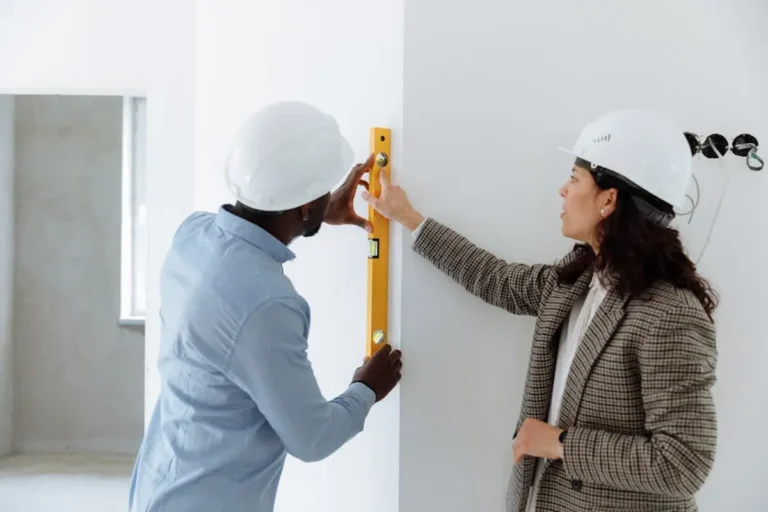
Many bathroom remodels begin with an optimistic vision but falter due to an incomplete understanding of the necessary work. A common mistake is focusing solely on visible elements like fixtures and finishes, while neglecting underlying structural, plumbing, or electrical issues. For instance, moving a toilet or shower requires re-routing water supply and waste lines, which involves opening walls and floors, increasing labor and material costs significantly. Similarly, updating an older home might uncover code compliance issues with existing wiring or ventilation that must be addressed, adding unexpected expenses. Failing to account for these hidden variables from the outset leads to frequent change orders, project delays, and budget overruns. A detailed scope document, outlining every task from demolition to final paint, is essential. To avoid these costly oversights, consider using a bathroom remodel checklist before you start any work.
Ignoring the Budget Contingency
Even with meticulous planning, unforeseen complications are almost inevitable in a renovation project. Discovering mold behind a shower wall, outdated galvanized pipes requiring replacement, or an uneven subfloor are common examples of issues that emerge only after demolition begins. A critical financial oversight is failing to allocate a contingency fund, typically 10% to 20% of the total project budget, specifically for these unexpected expenses. Without this buffer, homeowners are forced to compromise on material quality, delay the project, or incur additional debt to cover the unanticipated costs. This contingency is not a luxury; it is a fundamental risk management tool for any remodel.
Design and Layout Errors
Sacrificing Function for Aesthetics
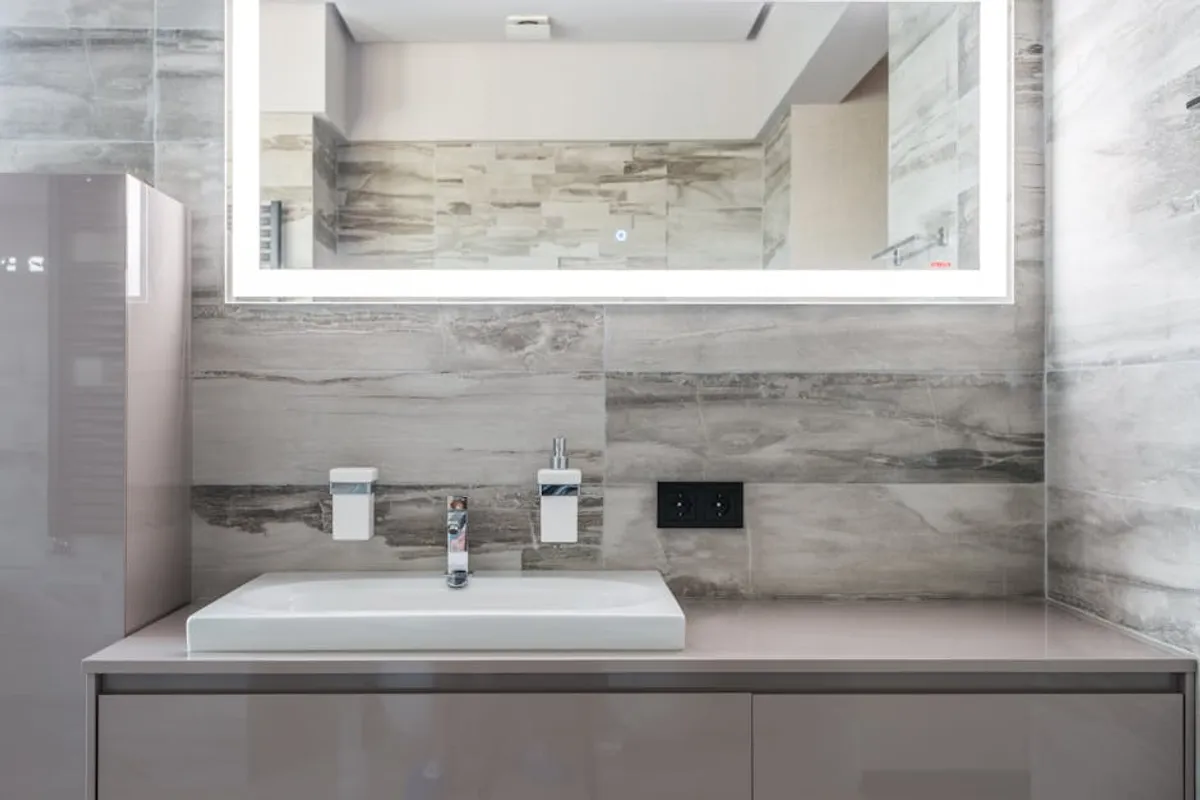
While an aesthetically pleasing bathroom is desirable, prioritizing trendy design elements over practical functionality often leads to daily frustration. For example, installing a visually striking vessel sink might look modern, but its height and basin depth can lead to excessive splashing and uncomfortable use, especially for children or shorter individuals. Similarly, open shelving, while minimalist, may not be suitable for a high-humidity bathroom where personal items require enclosed storage to prevent dust and moisture damage. The most effective designs balance visual appeal with ergonomic considerations, ensuring the space is both beautiful and highly usable for its intended occupants.
Overlooking Ventilation and Lighting
Inadequate ventilation is a significant design flaw, fostering an environment ripe for mold and mildew growth, which can damage surfaces, compromise air quality, and necessitate expensive remediation. A bathroom exhaust fan must be appropriately sized for the room's volume, measured in cubic feet per minute (CFM), and vented directly outside, not into an attic. Similarly, poor lighting creates a dim, uninviting space and hinders tasks like shaving or applying makeup. Effective bathroom lighting incorporates multiple layers: ambient (general illumination), task (around the vanity mirror), and accent (for architectural features), ensuring both bright functionality and a comfortable atmosphere.
Incorrect Fixture Sizing and Placement
The dimensions and arrangement of fixtures profoundly impact a bathroom's flow and perceived spaciousness. Installing an oversized vanity or tub in a small bathroom can make the space feel cramped and difficult to navigate, violating critical clearance requirements for comfortable use. Conversely, undersized fixtures in a large bathroom can appear lost and disproportionate. Proper planning involves mapping out the layout with precise measurements, considering door swings, and ensuring adequate clearance around toilets, showers, and sinks to meet building codes and ensure user comfort. This attention to detail prevents a beautiful but ultimately awkward space.
Pro Tip: Before finalizing any layout, use masking tape on the floor to outline the exact dimensions and placement of all major fixtures. Physically walk through the space to simulate daily use, ensuring comfortable clearances and accessibility. This simple step can reveal potential conflicts or awkward arrangements that are far easier to correct on paper than after installation.
Installation and Material Missteps
Cutting Corners on Waterproofing
The bathroom is the wettest room in a home, making robust waterproofing non-negotiable. A critical mistake is underestimating or improperly executing the waterproofing system, particularly in showers and around tubs. This includes inadequate slop to the shower pan, insufficient sealing of seams, or using standard drywall instead of cement board or specialized waterproof panels in wet areas. The consequences of poor waterproofing are severe: water infiltration leads to structural damage, rot, mold growth behind walls, and costly repairs that often exceed the initial remodel expense. Investing in high-quality waterproofing membranes and professional installation is paramount for long-term durability and preventing catastrophic failures.
Choosing Impractical Materials
Material selection must balance aesthetics with performance in a high-moisture, high-traffic environment. Opting for porous natural stones without proper sealing, certain types of hardwood flooring, or wallpaper in direct splash zones can lead to rapid degradation, staining, and mold. While these materials might offer a desired look, their maintenance requirements or inherent vulnerabilities to moisture make them impractical for many bathroom applications. Instead, consider materials known for their durability and moisture resistance, such as porcelain tile, quartz countertops, and moisture-resistant paint, which offer longevity and ease of maintenance.
DIY Disasters vs. Professional Expertise
While some homeowners possess the skills for minor updates, tackling complex tasks like plumbing, electrical work, or intricate tile installation without professional expertise often results in costly errors, safety hazards, and code violations. Incorrectly installed plumbing can lead to leaks and water damage; faulty electrical work poses fire risks. Professional contractors bring specialized knowledge, experience, proper tools, and adherence to local building codes, ensuring the work is done correctly and safely the first time. Understanding when to hire a licensed professional for critical aspects of the remodel is an investment that prevents expensive rectifications and ensures long-term peace of mind.
- Electrical wiring and fixture installation.
- Plumbing rough-ins and fixture connections.
- Structural modifications (e.g., moving load-bearing walls).
- Complex tile work, especially in wet areas requiring precise waterproofing.
- Installation of custom cabinetry or built-ins.
Proactive Remodel Strategies
Successful bathroom remodels are not accidents; they are the result of diligent planning, informed decision-making, and a realistic understanding of the process. Prioritize a comprehensive scope definition, a robust budget with a contingency, and a design that integrates both aesthetics and practical functionality. Invest in quality materials suitable for the bathroom environment and recognize the value of professional expertise for critical installations. By proactively addressing these common mistake areas, homeowners can navigate their renovation with confidence, resulting in a durable, beautiful, and highly functional space that enhances their home for years to come.
Frequently Asked Questions About Bathroom Remodels
What is the most common mistake people make during a bathroom remodel?
Underestimating the full scope of the project and failing to allocate a sufficient budget contingency for unforeseen issues are the most frequent and costly mistakes, leading to delays and increased expenses.
How much should I budget for unexpected issues in a bathroom remodel?
It is prudent to allocate a contingency fund of 10% to 20% of your total estimated project cost specifically for unexpected discoveries, such as mold, outdated plumbing, or structural repairs.
When should I hire a professional for a bathroom remodel instead of doing it myself?
Always hire licensed professionals for tasks involving plumbing, electrical work, structural changes, and complex waterproofing, as these areas require specialized knowledge, adherence to codes, and carry significant risks if done incorrectly.
What are the long-term consequences of poor ventilation in a bathroom?
Poor ventilation leads to excessive moisture buildup, which fosters mold and mildew growth on surfaces and behind walls, damages finishes, compromises indoor air quality, and can eventually lead to structural rot and expensive repairs.