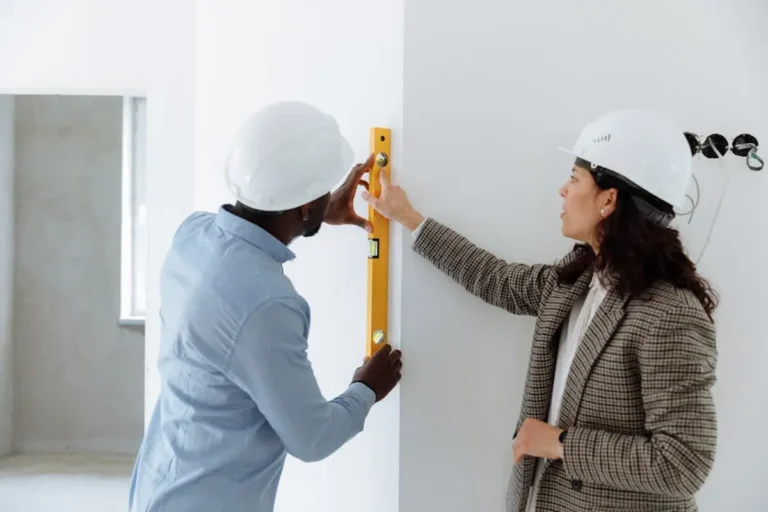

Undertaking a DIY home remodeling project offers the allure of personalized spaces and potential cost savings. However, the path from vision to reality is often fraught with challenges that, if overlooked, can transform a dream renovation into a costly nightmare. Many homeowners, driven by enthusiasm or a desire to cut expenses, embark on projects without fully grasping the complexities involved, leading to common errors that escalate budgets, extend timelines, and compromise structural integrity or aesthetic quality. Recognizing these prevalent missteps before a hammer is lifted is crucial for a successful outcome, safeguarding both your investment and your home's value.
Underestimating Project Scope and Skill Requirements
A frequent error in DIY remodeling is an overly optimistic assessment of what a single individual or an inexperienced team can realistically accomplish. Projects often appear simpler on video tutorials than they are in practice, particularly when encountering unforeseen structural issues, outdated wiring, or plumbing configurations.
Misjudging Time Commitments
Many DIYers allocate insufficient time, overlooking the cumulative hours required for preparation, material acquisition, unexpected repairs, and meticulous finishing work. A "weekend project" can easily stretch into weeks or months, leading to project fatigue and rushed, subpar execution. Accurately estimating time involves breaking down each task into granular steps and then adding a buffer for unforeseen complications, typically 20-30% beyond the initial estimate.
Lack of Specialized Tool Access or Knowledge
Certain tasks, such as precise tile cutting, complex electrical wiring, or structural modifications, demand specialized tools and a deep understanding of their operation. Attempting these without the right equipment or expertise not only risks poor results but also poses significant safety hazards. Renting specialized tools can be a cost-effective solution, but only if accompanied by a thorough understanding of their safe and effective use.
Ignoring Structural or Electrical Complexities
Demolition or alteration of load-bearing walls, modifications to electrical panels, or significant plumbing rerouting are not DIY-friendly tasks. These areas require professional assessment and execution to ensure safety, compliance with building codes, and the long-term integrity of the home. Incorrectly handled, these can lead to catastrophic failures, fire hazards, or extensive water damage.
Budgeting Blind Spots and Hidden Costs
Financial planning for a DIY remodel often focuses solely on visible material costs, neglecting a host of secondary expenses that can quickly inflate the overall budget.
Overlooking Permit Fees and Inspections
Many significant remodeling projects require permits from local authorities. These permits incur fees and necessitate inspections at various stages, ensuring work meets safety and building codes. Failing to secure necessary permits can result in fines, forced demolition, or difficulty selling the home later.
Underestimating Material Waste and Returns
Cutting errors, damaged materials during transport, or changes in design can lead to significant material waste. Budgeting an additional 10-15% for materials beyond the initial calculation accounts for these contingencies. Additionally, return policies for unused or incorrectly purchased materials vary widely, and restocking fees can erode anticipated savings.
Unaccounted for Tool Rentals and Supplies
Beyond major equipment, the cost of consumables like sandpaper, caulk, paintbrushes, safety gear, and cleaning supplies accumulates rapidly. Similarly, renting specialized tools for short-term use adds to the budget. These often-forgotten line items can collectively represent a substantial portion of a project's cost.
Pro Tip: Always secure at least three detailed quotes from licensed professionals for any task you are considering DIYing. This provides a realistic benchmark for material and labor costs, helping you understand the true financial commitment and potential savings (or lack thereof) of doing it yourself. It also highlights the complexity and specific skills involved, informing your decision to proceed or delegate.
Neglecting Proper Planning and Permitting
Impulsive starts often lead to stalled projects and rework. A detailed plan is the blueprint for success, encompassing more than just aesthetic choices.
Skipping Detailed Design and Layouts
A rough sketch is insufficient for complex remodels. Detailed drawings, including electrical outlets, plumbing lines, and furniture placement, prevent costly changes mid-project. These plans also serve as critical communication tools if external contractors become necessary.
Ignoring Local Building Codes and Regulations
Building codes exist to ensure safety and structural integrity. Ignorance of these codes, particularly concerning electrical, plumbing, and structural work, can lead to failed inspections, mandatory rework, and potential legal issues. Researching local requirements before starting is non-negotiable.
Failing to Prepare the Work Area Adequately
Proper preparation includes protecting adjacent areas from dust and damage, ensuring adequate ventilation, and setting up a clear, safe workspace. Neglecting these steps can lead to damage to existing property, health hazards from dust and fumes, and inefficient work processes.
Incorrect Material Selection and Application
The vast array of building materials available can be overwhelming, and choosing the wrong type for a specific application is a common pitfall.
- Inappropriate Flooring Choices: Selecting laminate for high-moisture areas like bathrooms, or softwoods for high-traffic zones, leads to premature wear and failure.
- Substandard Paint or Primer: Using interior paint outdoors, or skipping primer on new drywall, compromises durability, finish quality, and longevity.
- Mismatched Fasteners or Adhesives: Employing the wrong type of screws for drywall, or an unsuitable adhesive for tile, results in weak bonds and potential structural failure.
- Ignoring Environmental Factors: Using materials not rated for specific temperature fluctuations, humidity levels, or UV exposure can lead to warping, cracking, or discoloration.
Researching material specifications and consulting with suppliers regarding suitability for specific environmental conditions and intended use is essential. Prioritizing long-term performance over initial cost often yields better value.
Overlooking Safety Protocols and Tools
Safety should be paramount in any remodeling project. Many DIY injuries stem from neglecting basic precautions or using tools improperly.
Neglecting Personal Protective Equipment (PPE)
Eye protection, hearing protection, gloves, and respirators are not optional; they are essential for preventing injuries from flying debris, loud noises, chemical exposure, and dust inhalation. A significant number of DIY accidents are preventable with proper PPE.
Improper Tool Usage and Storage
Using tools for purposes other than their design, or operating them without understanding their safety features, increases the risk of injury. Furthermore, leaving tools scattered creates tripping hazards and can damage equipment. Proper storage ensures tools remain in good condition and are easily accessible.
Ignoring Electrical and Plumbing Shut-offs
Before any work involving electrical systems or plumbing, the main power supply or water line to the work area must be shut off. Failure to do so risks electrocution, severe injury, or extensive water damage. Always double-check that power and water are off before proceeding.
Rushing the Process and Sacrificing Quality
The desire to complete a project quickly often leads to shortcuts, which invariably compromise the final product's quality and longevity.
Inadequate Surface Preparation
Skipping steps like thorough cleaning, sanding, patching, or priming before painting or tiling results in a poor finish that peels, cracks, or shows imperfections. The quality of the final layer is directly dependent on the preparation of the underlying surface.
Ignoring Manufacturer Instructions
Adhesives, sealants, paints, and installation kits all come with specific instructions for application, curing times, and environmental conditions. Deviating from these guidelines often voids warranties and leads to product failure, necessitating costly rework.
Settling for "Good Enough"
Minor imperfections, if left unaddressed, accumulate and detract significantly from the overall aesthetic and professional finish. Taking the time to correct small errors as they arise prevents them from becoming glaring flaws in the completed project.
Building a Foundation for DIY Success
Avoiding common DIY remodeling mistakes hinges on a combination of realistic self-assessment, meticulous planning, and a commitment to quality and safety. Before initiating any project, honestly evaluate your skills, research extensively, and create a detailed budget that includes a contingency fund. Understand local regulations, secure necessary permits, and never compromise on safety. While the appeal of doing it yourself is strong, recognizing when a task exceeds your capabilities and calling in a professional is not a failure, but a smart investment in your home's integrity and value. This meticulous planning extends to establishing a detailed budget that includes a contingency fund for unexpected expenses.
Frequently Asked Questions
What is the most common DIY remodeling mistake?
Underestimating the project's scope and the required time commitment is arguably the most common mistake. This often leads to budget overruns, extended timelines, and a decline in work quality due to fatigue or rushed execution.
How much extra should I budget for unexpected issues in a DIY remodel?
A contingency fund of 10-20% of your total project budget is generally recommended for DIY remodels. This covers unforeseen problems like discovering rotten wood, outdated wiring, or needing additional materials due to errors.
When should I hire a professional instead of DIYing?
Hire a professional for tasks involving structural changes, complex electrical work (especially panel upgrades or new circuits), extensive plumbing rerouting, or projects requiring specialized permits and inspections where safety is paramount. When in doubt about your skill level or the safety implications, consult a licensed contractor.
Do I need a permit for minor DIY renovations?
Permit requirements vary by location and project type. Minor cosmetic changes like painting or replacing light fixtures typically don't require permits. However, any work involving structural alterations, electrical wiring, plumbing, or significant changes to the building's footprint usually does. Always check with your local building department before starting.